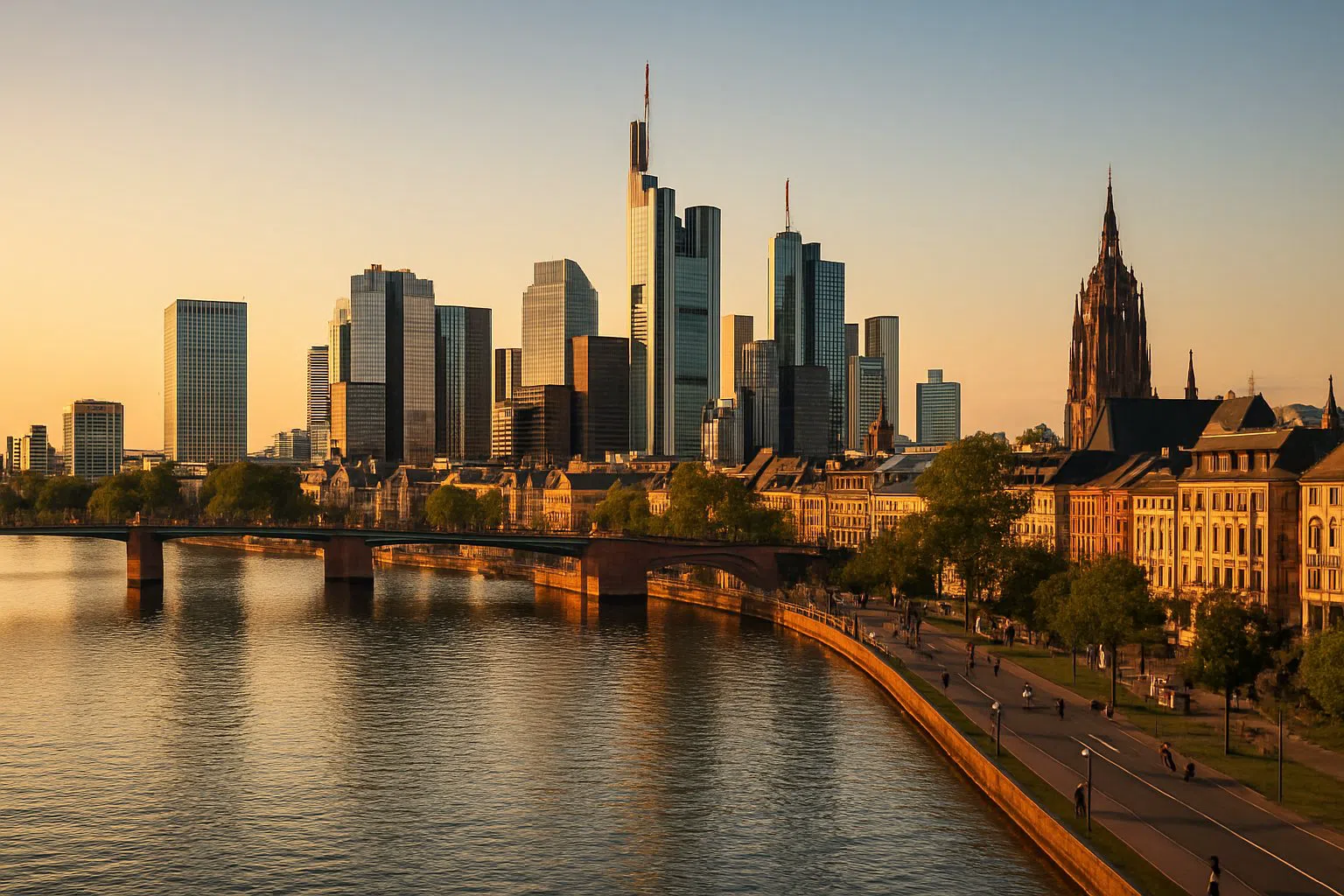
Frankfurt
Frankfurt is a city of sharp, unapologetic contrasts.
Guests & rooms
The Frankfurt guide
An insider’s read on Frankfurt
FFrankfurt is a city of sharp, unapologetic contrasts.
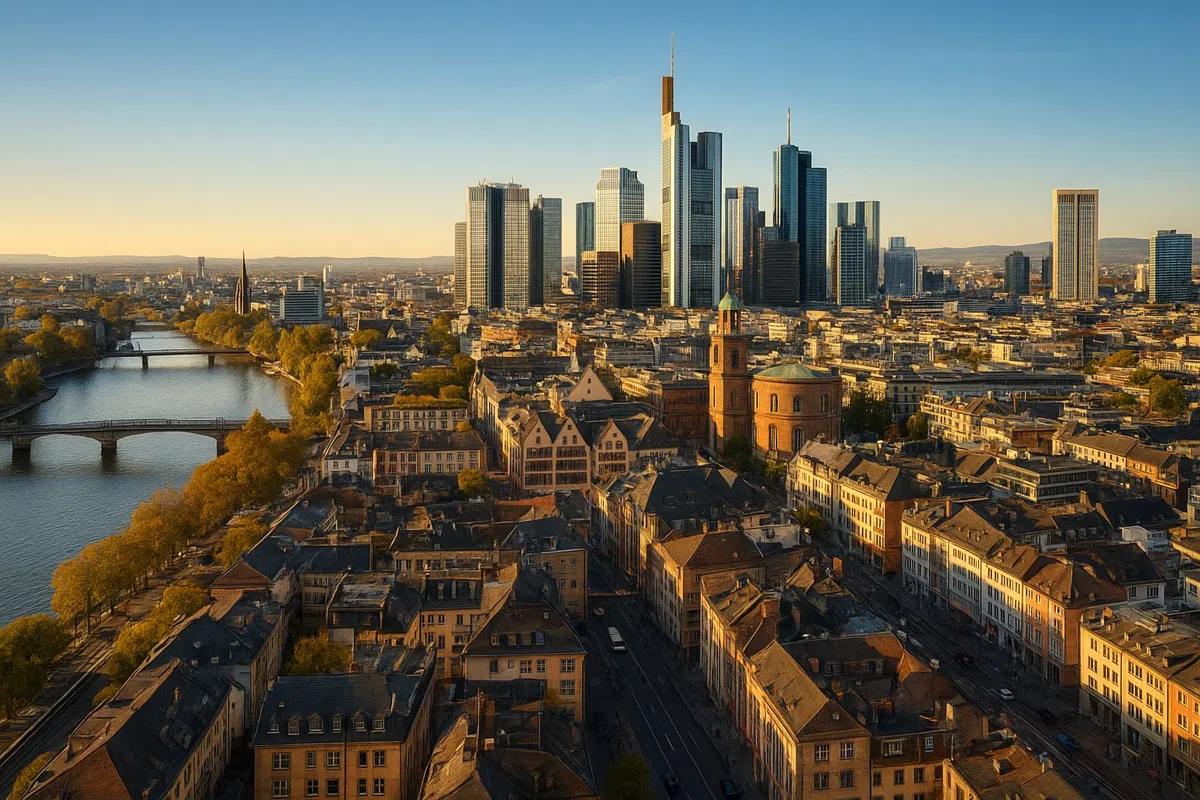
Virtually flattened during World War II, Frankfurt made a conscious decision to rebuild as a modern financial powerhouse rather than fully reconstruct its medieval past. The result is a unique architectural landscape where a painstakingly reconstructed Altstadt sits in the shadow of Germany's only true skyscraper skyline. This tension between preservation and progress defines the local character. Frankfurters are pragmatic, direct, and fiercely proud of their local specialties, maintaining a distinct regional identity that refuses to be diluted by the city's transient, international corporate population.
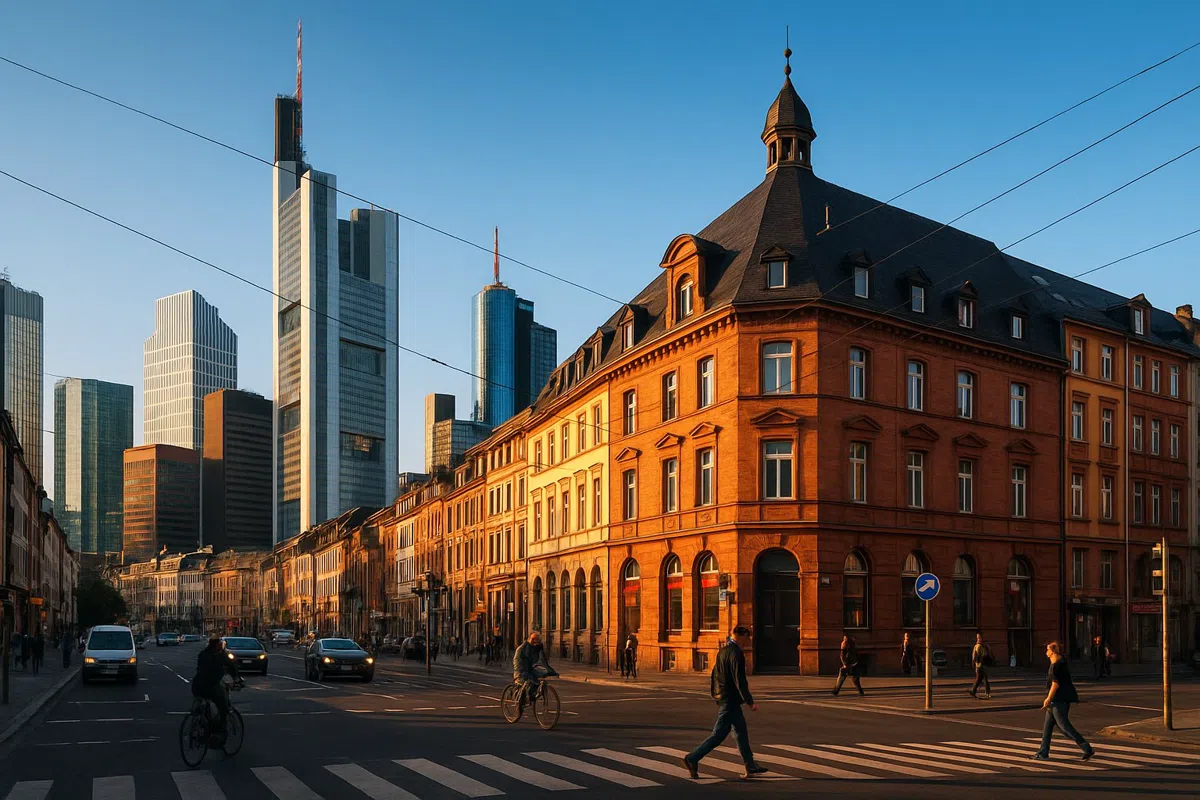
PLATE IFrankfurt, Germany
Guides & ideas
The Frankfurt reading list
Hand-written guides from our editors — itineraries, the best of after dark, where to eat, and what’s genuinely worth your time.
Walking Frankfurt for the First Time in Early Autumn
A first trip built around the river, the wine market and the taverns, plus the closures, cash-only counters and opening days that catch people out.
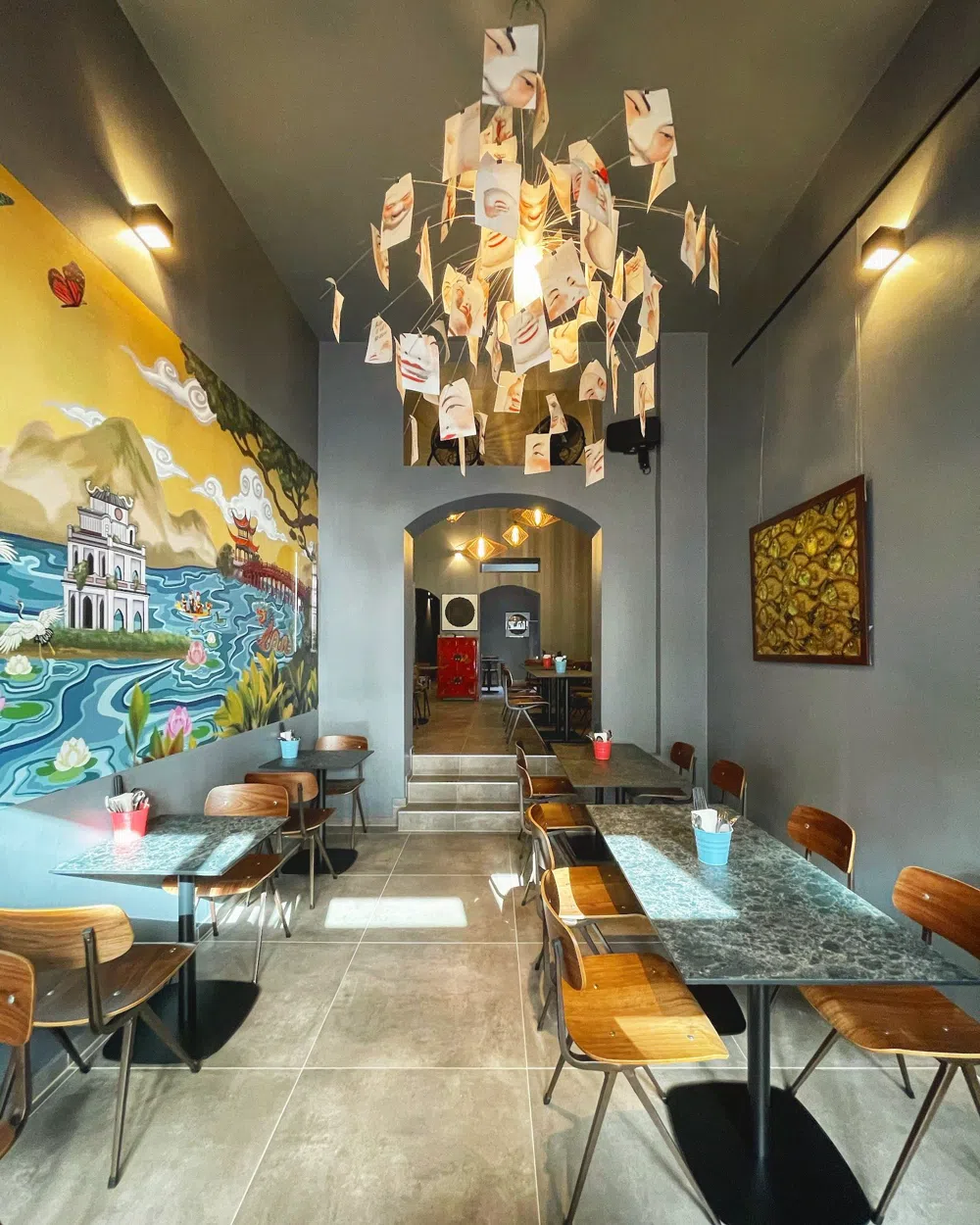
Fifteen Asian Kitchens Worth a Tram Ride in Frankfurt
Vietnamese, Korean barbecue, kushiyaki, Sichuan hotpot and one all-day vegetarian room, with what each charges, when it shuts and which ones can seat a group.
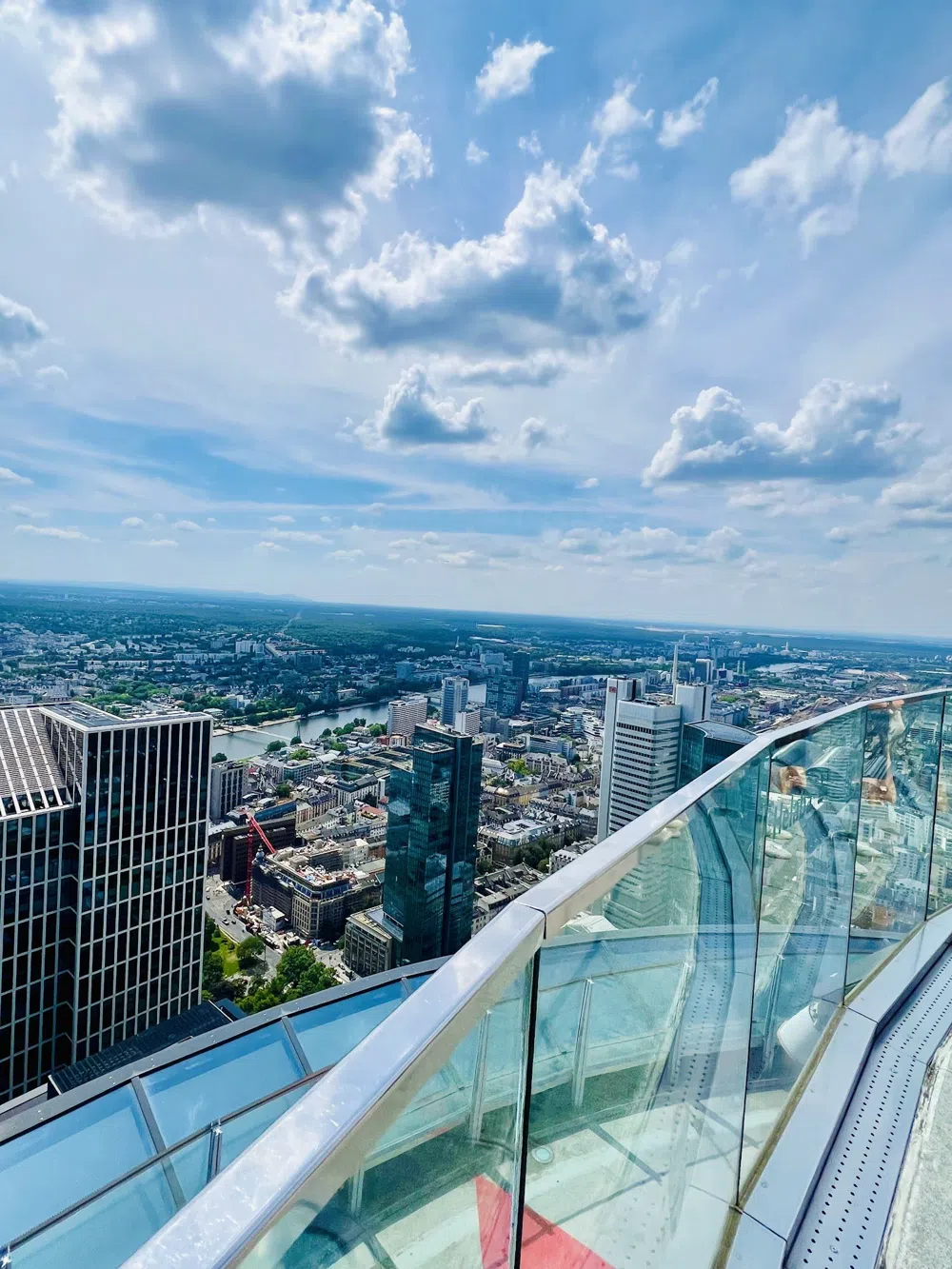
Two Days in Frankfurt Without Missing the City
A walkable two-day route through the old town, the museum bank, the market hall and the apple wine taverns, with the opening hours and door realities that decide whether it works.
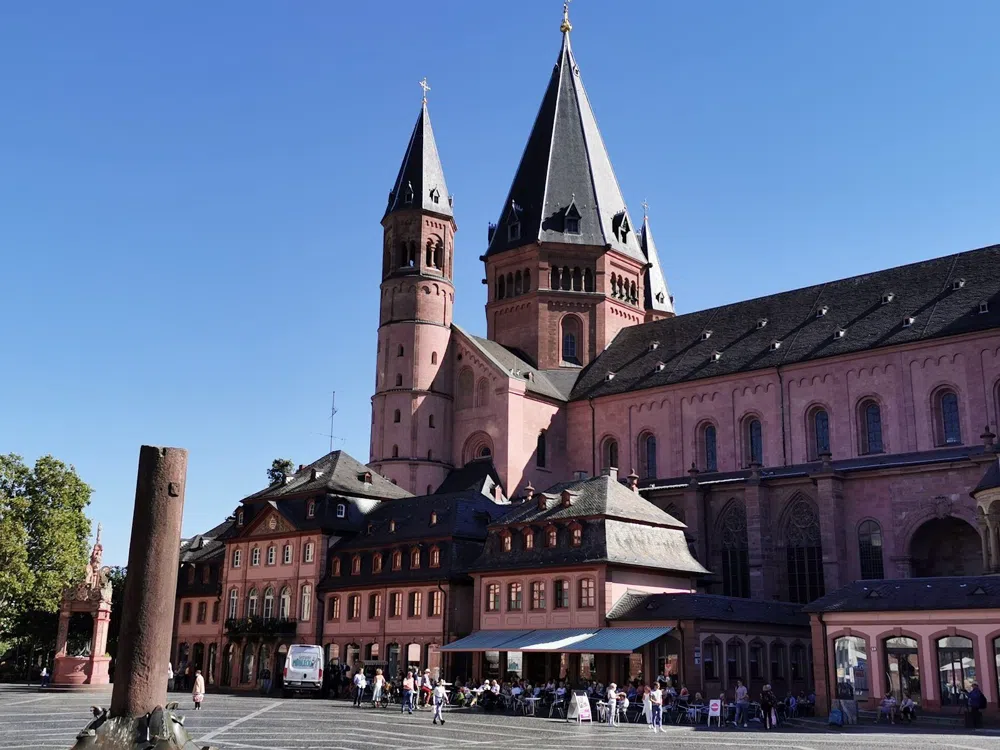
Three day trips from Frankfurt that only need a train ticket
Mainz, Heidelberg and the Rhine gorge are all close enough to walk out of the station and start the day. What each one costs, what is shut in 2026, and how the walking works.
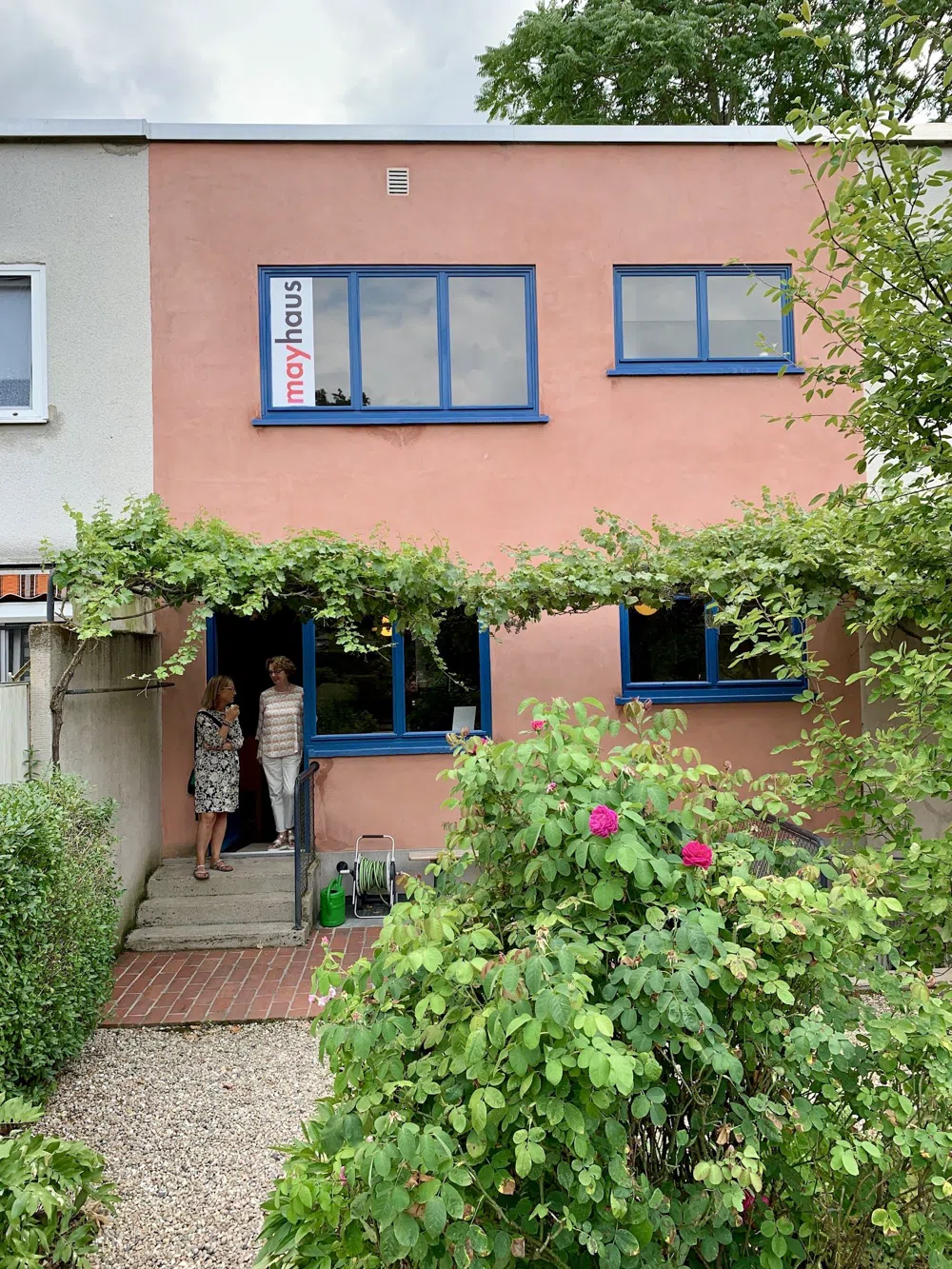
How Frankfurt Invented the Fitted Kitchen
The kitchen in your flat was designed here in 1926 for workers' housing. Where to find the original, the estates it was built for, and the modernism that came with it.

Walking Frankfurt's Skyline From MainTor to the Kaiserdom
A stop-by-stop walking route through Frankfurt's real skyscraper cluster, from a reopened bank compound to the deck that finally looks down instead of up.
Where to base yourself
The neighborhoods
01
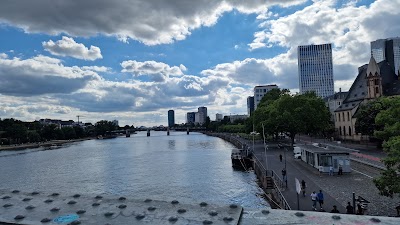
Altstadt
For History seekers who want to be steps from the cathedral, though it can feel sterile and tourist-heavy in the evenings.
The reconstructed historic core of the city, featuring timber-framed buildings and grand squares rebuilt after wartime destruction.
Where to stay — High-end hotels near the Römer or modern apartments close to the river.
02
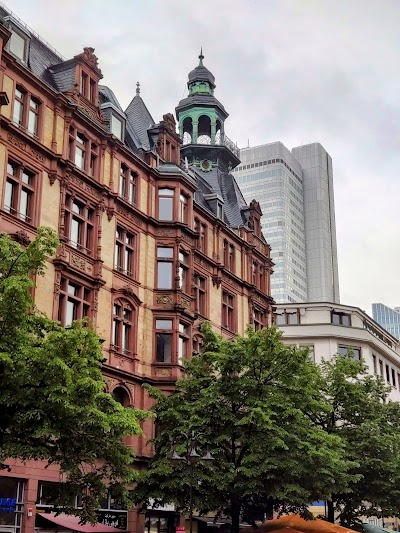
Bahnhofsviertel
For Adventurous travelers who want cutting-edge dining and nightlife, but must tolerate visible drug use and street grit.
A gritty red-light district turned culinary hotspot, where grand Wilhelminian architecture meets a raw, fast-paced street life.
Where to stay — Trendy boutique hotels catering to a younger, design-conscious crowd.
03
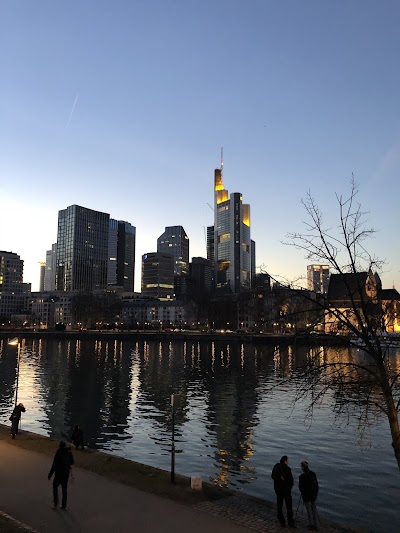
Sachsenhausen-Süd
For Travelers seeking old-world Hessian tavern culture, though it gets rowdy with weekend crowds.
A traditional district famous for its cobblestone alleys, historic timbered buildings, and rustic apple wine taverns.
Where to stay — Traditional guesthouses or mid-range business hotels.
04
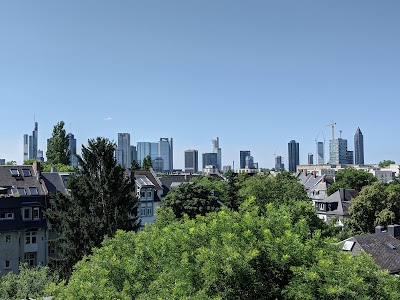
Nordend
For Families and slow travelers who want organic markets and a relaxed local vibe, though it lacks major tourist sights.
A leafy, intellectual residential enclave filled with Wilhelminian-style apartment blocks, independent cafes, and wine bars.
Where to stay — Quiet apartments or boutique rentals.
05
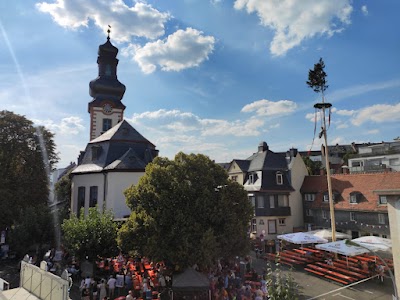
Bornheim
For Food lovers and shoppers wanting a local, community-driven vibe, though it is slightly removed from the river.
Known locally as 'Bernem,' this district feels like a self-contained village with a lively, unpretentious high street.
Where to stay — Mid-range apartments and local guesthouses.
06
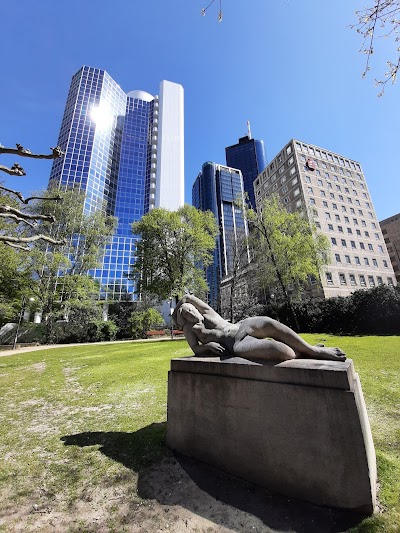
Westend
For Travelers seeking peace, leafy streets, and proximity to the botanical gardens, though dining options lean expensive.
An affluent, quiet, and grand residential area characterized by elegant villas, manicured parks, and quiet streets.
Where to stay — Luxury hotels and upscale business properties.
07
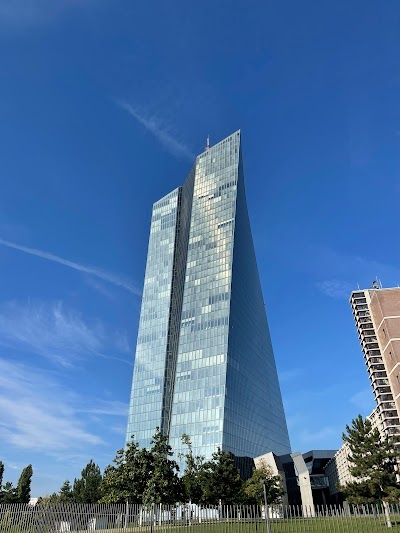
Ostend
For Architecture buffs and fans of industrial-chic design, though it can feel desolate on weekends.
A former industrial zone turned modern creative hub, dominated by the towering European Central Bank building.
Where to stay — Modern design hotels catering to business travelers and creatives.
Book direct
Book a hotel in Frankfurt
Loading live availability and real-time prices…
Where to eat
Dining
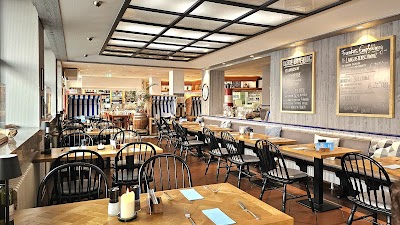
Fisch-Franke
€€Innenstadt
A Frankfurt institution serving fresh fish in a no-nonsense, traditional setting since the 1920s.
Signature — Pan-fried red fish with potato salad
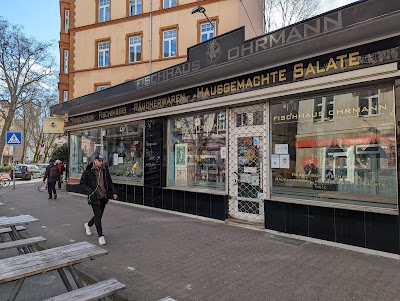
Fischhaus
€€Bornheim
Unpretentious neighborhood spot known for generous portions of grilled fish and Mediterranean-style seafood platters.
Signature — Grilled octopus with garlic and olive oil
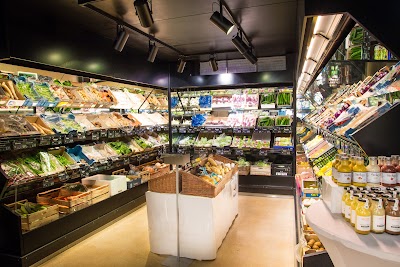
Frischeparadies
€€€Griesheim
A high-end specialty market with an in-house bistro serving exceptionally fresh, sustainably sourced seafood.
Signature — Seared scallops with seasonal purée
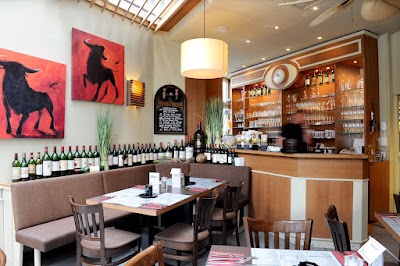
Buffalo Steakhouse
€€€Bahnhofsviertel
One of the city's oldest steakhouses, serving premium Argentine cuts cooked over an open fire.
Signature — Ribeye steak served on a hot iron platter
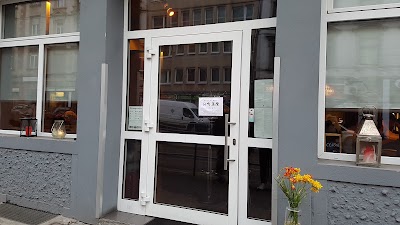
Muku
€€Sachsenhausen
An authentic Japanese ramen and grill house focusing on rich broths and charcoal-grilled skewers.
Signature — Tonkotsu ramen with grilled pork belly
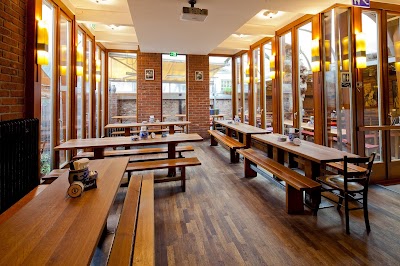
Adolf Wagner
€€Sachsenhausen
The quintessential Frankfurt apple wine tavern, featuring long communal wooden tables and robust regional fare.
Signature — Frankfurter Schnitzel with green sauce (Grüne Soße)
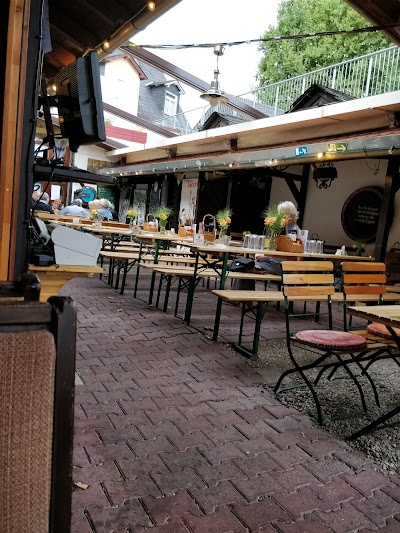
Apfelwein Solzer
€€Bornheim
A family-run tavern operating since the 16th century, offering a cozy courtyard and classic Hessian hospitality.
Signature — Handkäse mit Musik (marinated sour milk cheese)
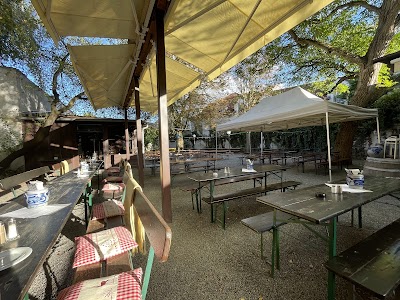
Zur Sonne
€€Bornheim
A historic timber-framed tavern on Berger Straße serving excellent house-pressed apple wine and hearty local dishes.
Signature — Boiled beef with Frankfurt green sauce
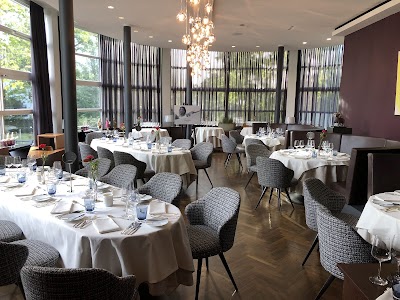
Lafleur
€€€€Westend
Located in the Palmengarten, offering highly inventive, plant-forward and classic French-inspired tasting menus.
Signature — Multi-course vegan tasting menu
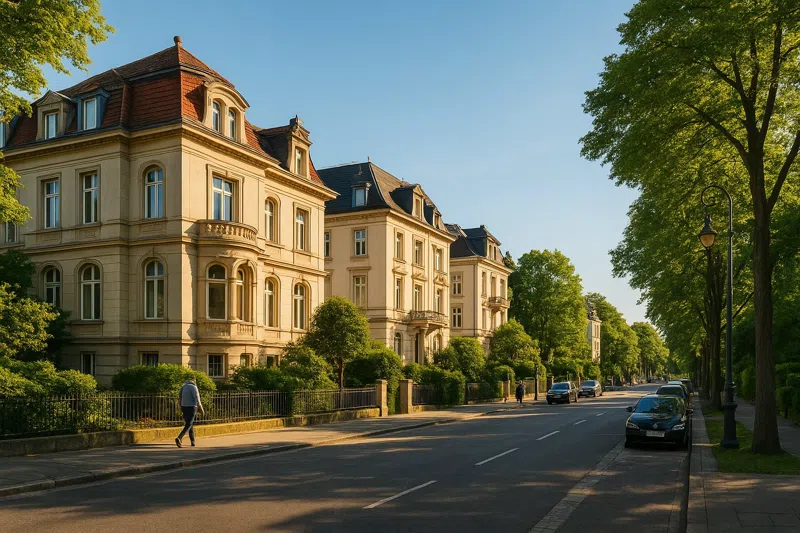
Gustav
€€€€Westend
Focuses on regional, artisanal ingredients reinterpreted through modern culinary techniques in a minimalist dining room.
Signature — Slow-cooked local trout with wild herbs
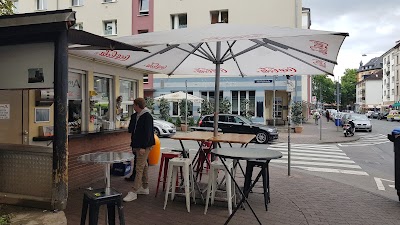
Aroma
€Nordend
Tiny, legendary falafel stand with perpetual lines, serving some of the best Middle Eastern wraps in the city.
Signature — Falafel wrap with fried eggplant and halloumi
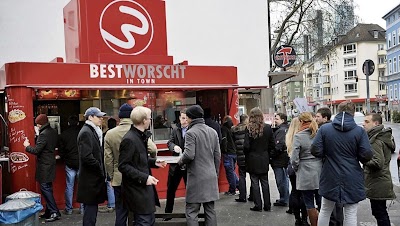
Best Worscht in Town
€Innenstadt
A local cult chain serving currywurst with customizable spice levels and high-quality local sausage.
Signature — Currywurst with jambalaya spice and traditional fries
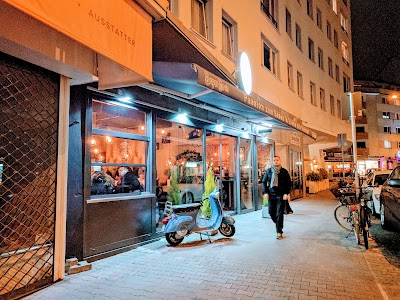
Pizzeria Superbro's
€Nordend
Hip, bustling pizzeria serving authentic Neapolitan pies with blistered crusts from a wood-fired oven.
Signature — Margherita pizza with fresh buffalo mozzarella and spicy salami
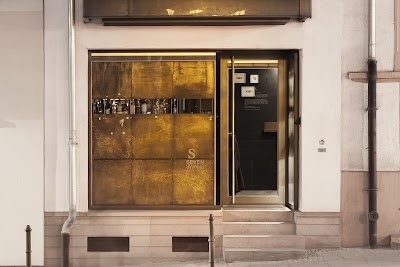
Seven Swans
€€€€Altstadt
A pioneer in sustainable dining, offering a radical, hyper-seasonal vegan tasting menu sourced entirely from their own permaculture farm.
Signature — Multi-course seasonal root vegetable menu
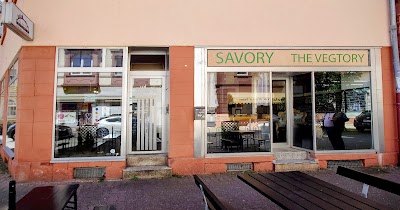
Savory
€Bockenheim
A fully vegan diner known for hearty comfort food, including plant-based burgers, wraps, and homemade cakes.
Signature — Vegan bacon cheeseburger with sweet potato fries
After dark
Nightlife
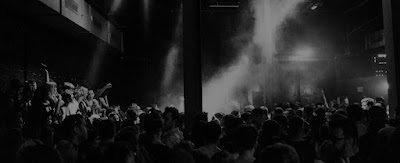
Tanzhaus West
Gutleutviertel
Industrial techno club housed in a former printing factory, known for its raw atmosphere and top-tier underground DJ lineups.
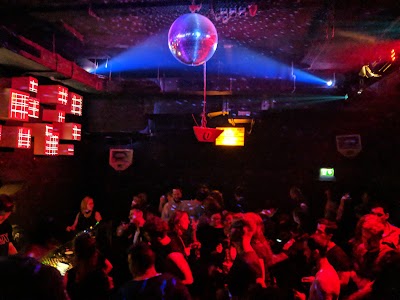
Silbergold
Innenstadt
A compact, subterranean club playing a mix of indie, house, and techno, attracting a diverse student and local crowd.
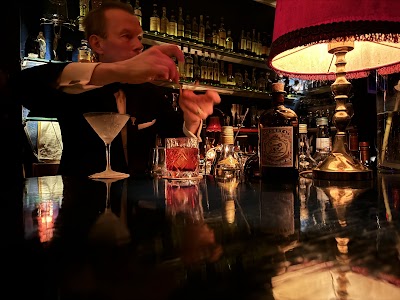
Rote Bar
Altstadt
A moody, red-lit drinking den popular with creatives and night owls, offering classic cocktails with a view of the river.
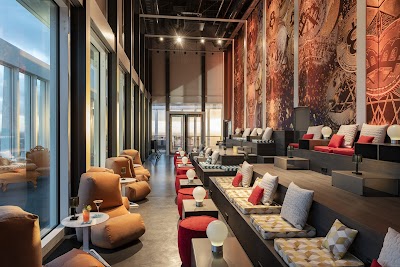
NFT Skybar
Westend
Located high up in the NH Collection Spin Tower, offering panoramic views of the Frankfurt skyline and art-inspired cocktails.
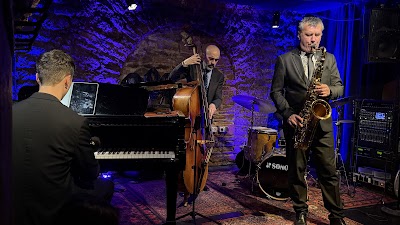
Jazzkeller
Innenstadt
A legendary basement jazz club that has hosted greats like Louis Armstrong and Miles Davis since 1952.
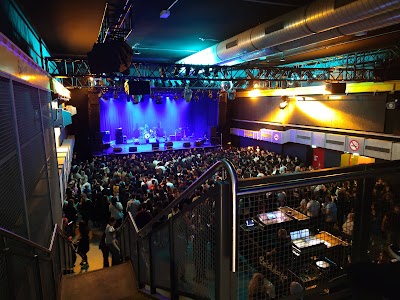
Batschkapp
Seckbach
A historic rock and alternative music venue operating since the 1970s, hosting international touring bands.
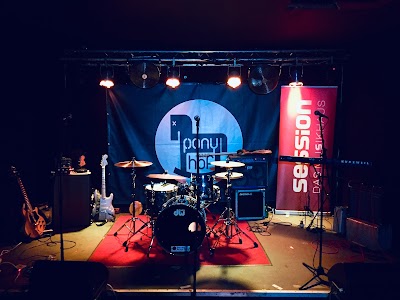
Ponyhof
Sachsenhausen
A cozy, intimate venue hosting indie bands, singer-songwriters, and quirky local club nights.
Art & history
Culture
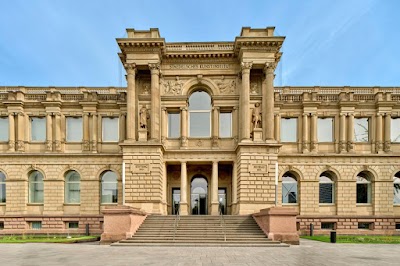
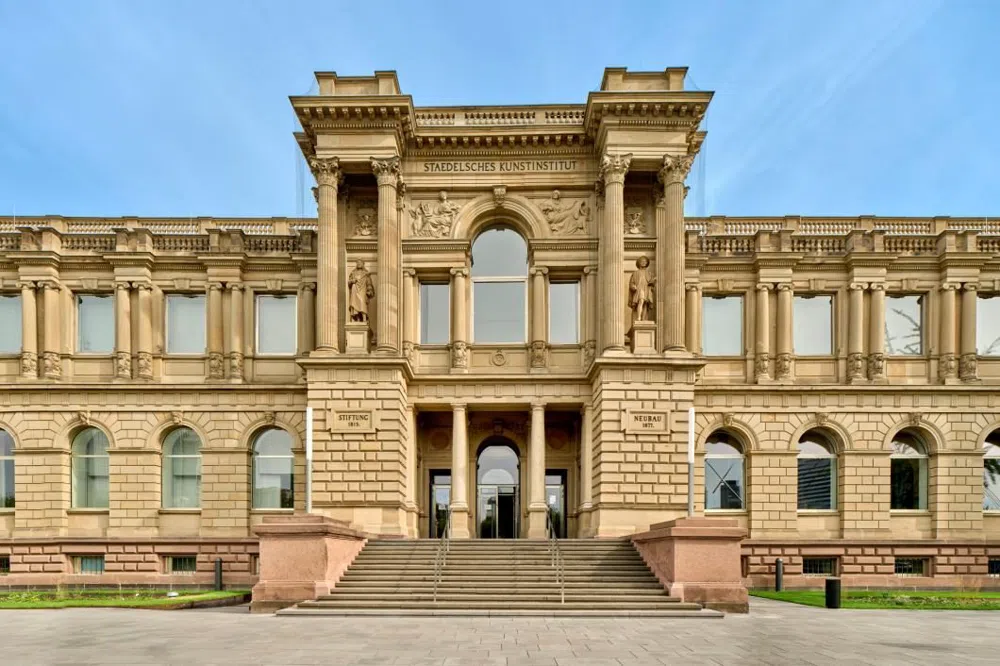
Städel Museum
Sachsenhausen
One of Germany's most important art museums, housing seven centuries of European art under one roof.
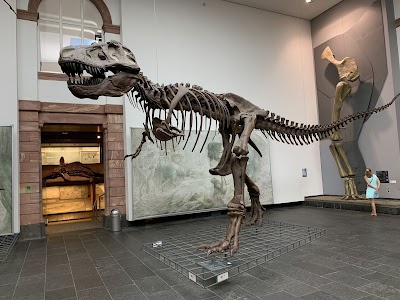
Senckenberg Natural History Museum
Bockenheim
A massive museum famous for its extensive dinosaur fossil collection and biodiversity exhibits.
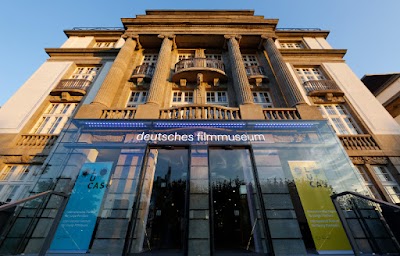
Deutsches Filmmuseum (DFF)
Sachsenhausen
An interactive museum dedicated to the history, technology, and art of cinema.
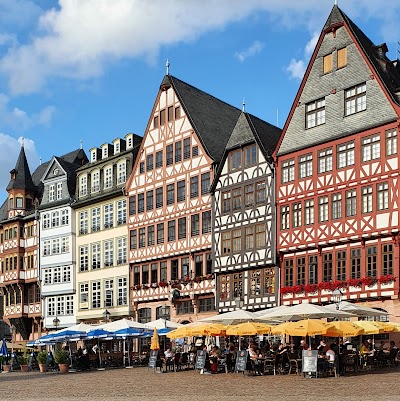
Römer
Altstadt
The historic city hall complex dating back to the 15th century, featuring iconic stepped gables.
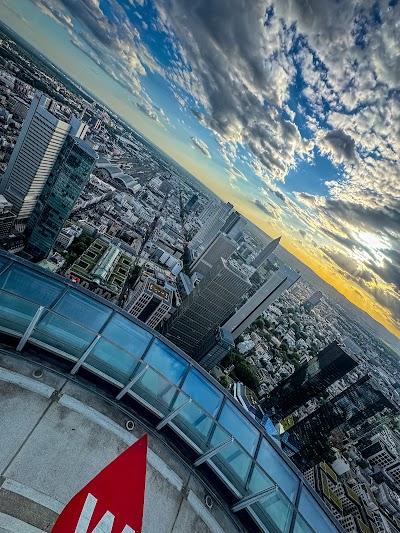
Main Tower
Innenstadt
A 200-meter-tall skyscraper with an open-air observation deck offering the best panoramic views of the city.
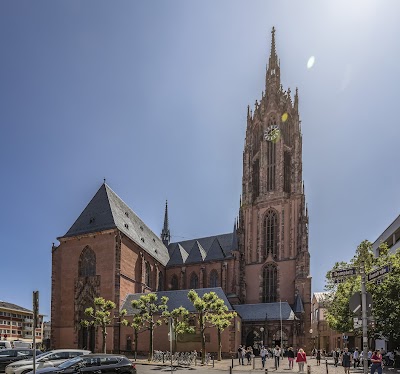
St. Bartholomew's Cathedral (Dom)
Altstadt
A Gothic imperial cathedral where Holy Roman Emperors were once crowned.
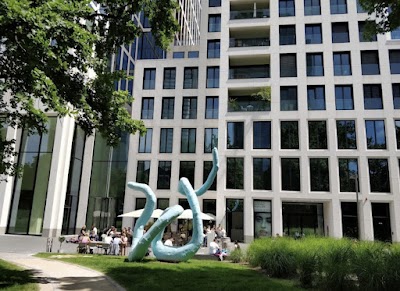
MMK (Museum für Moderne Kunst)
Innenstadt
Housed in a striking triangular building, featuring a world-class collection of post-war and contemporary art.
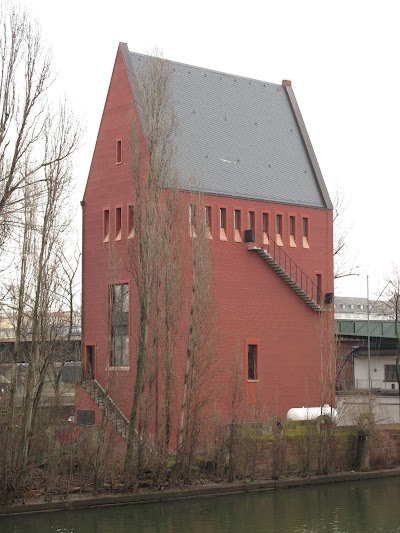
Portikus
Sachsenhausen
A highly respected contemporary art gallery located on a small island in the Main River, showcasing experimental works.
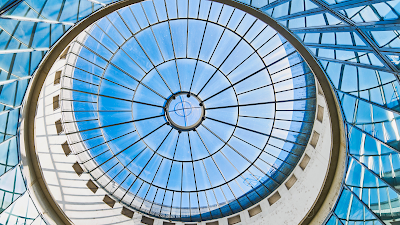
Schirn Kunsthalle
Altstadt
A premier exhibition space without a permanent collection, known for hosting groundbreaking temporary modern art exhibitions.
Book ahead
Top-rated experiences in Frankfurt

Discover the Heart of Frankfurt - City Tour in German
from $21

Private Multi-Day Auto Factory Tour from Munich with Hotels
from $7500

Highlights of Frankfurt Walking Open Tour of Old Town and more
from $31

Frankfurt Must-See Attractions Walking Tour With A Guide
from $47

Gin & Rum Tasting in Frankfurt am Main
from $101

Fairytale Rüdesheim and Monastery Eberbach Tour
from $438

Arrival Transfer from Frankfurt Airport FRA to Frankfurt by Sedan
from $70

The Fairytale Rhine Valley Castle Tour
from $498
Prices from Viator; we may earn a commission when you book — at no extra cost to you. Tours are sold and operated by Viator, the merchant of record. Ratings are collected by Viator and Tripadvisor.
Timing
When to visit
Spring
May brings pleasant temperatures and the opening of outdoor beer gardens and apple wine terraces, alongside the Spring Dippemess folk festival.
Summer
Warm and lively, with locals drinking along the Main River banks and attending the Museumsuferfest, though humidity can rise and business hotels are quieter.
Autumn
September and October see the Rheingau wine harvest celebrations and crisp weather, perfect for exploring the surrounding forests and cozy taverns.
Winter
Cold and grey, but redeemed by one of Germany’s oldest and most expansive Christmas Markets in the Römerberg, alongside hearty winter food in local taverns.
What it costs
Budgeting
Logistics
Getting around
From the airport
The regional train station (Regionalbahnhof) at Terminal 1 connects directly to the central station (Hauptbahnhof) via S-Bahn lines S8 and S9. The journey takes roughly 11 minutes.
Public transit
The RMV network is exceptionally efficient, combining the U-Bahn (subway), S-Bahn (suburban trains), and trams. Tickets must be purchased and validated before boarding.
Passes & tickets
The Frankfurt Card offers unlimited travel within the city limits and discounts on museum entries; it is highly economical if you plan to visit multiple galleries. (Price band: €)
On foot
The city center, Altstadt, and Museumsufer are highly walkable. You can cross the entire downtown core on foot in under 30 minutes.
Travel smart
Safety & etiquette
Local etiquette
- •Never order beer in a traditional apple wine tavern; it is considered a minor insult to the establishment's heritage.
- •Always wait for the host to seat you in formal restaurants, but in traditional taverns, feel free to find an open spot at a communal table.
- •Cash is still king in many smaller bakeries, traditional taverns, and market stalls; always carry some euros.
- •Stand on the right and walk on the left when using escalators in S-Bahn and U-Bahn stations.
From the ground
Practical tips
1
Visit the Kleinmarkthalle on a Saturday morning to experience local food culture, but arrive before noon to beat the massive crowds at the famous Schreiber sausage stall.
2
Many museums offer free admission on the last Saturday of every month (Satourday), making it the perfect time for budget cultural exploration.
3
Avoid booking hotels during major trade fairs (Messe) like the Book Fair, as room rates can triple and availability plummets.
4
Take S-Bahn lines S8 or S9 for a direct, cheap connection to the airport, avoiding expensive taxi fares which can easily exceed forty euros.
5
When drinking apple wine, never use a fork to fish out the onions from your Handkäse; use a knife to spread the cheese and onions onto buttered bread.
6
Walk across the Eiserner Steg (Iron Footbridge) early in the morning for a crowd-free view of the skyline reflecting in the Main River.
Frankfurt FAQs
Is Frankfurt worth visiting for tourists?
Yes, if you look beyond the financial towers to discover its world-class museums, historic taverns, and vibrant culinary scene.
How do I get from the airport to the city center?
Take the S-Bahn S8 or S9 from the airport's regional station directly to Hauptbahnhof in just 11 minutes.
What is the local drink in Frankfurt?
Apfelwein (apple wine) is the local specialty, traditionally served tart and flat in a ribbed glass.
Can I get by with English in Frankfurt?
Yes, English is widely spoken across the city due to its international business community and major airport hub.
What is Frankfurt's green sauce?
It is a cold, creamy sauce made from seven specific fresh herbs, traditionally served with potatoes and hard-boiled eggs.