In this area
The Frankfurt issue
Bahnhofsviertel, Frankfurt: the city’s most alive square kilometre
A walk through Frankfurt’s most argued-over district, where pastrami, pho, speakeasy cocktails and the station’s hard edge share the same blocks.

By Elena VogtFrankfurt one Viertel at a time
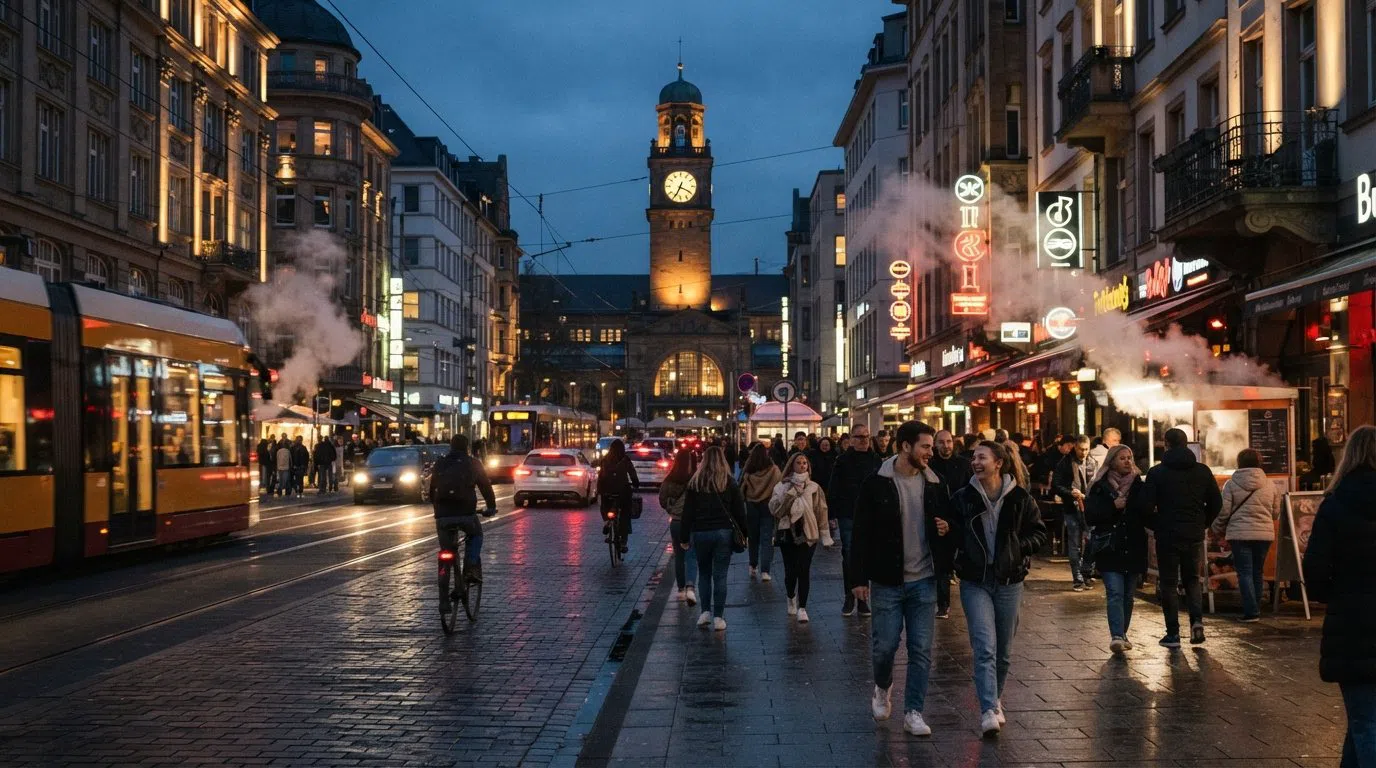
Walk two minutes out of Frankfurt’s Hauptbahnhof and the city changes register. The station shed gives way to a grid of straight streets, old façades and bright windows, and suddenly you are in the Bahnhofsviertel, where a pastrami deli, a 300-beer kiosk, a Tel Aviv kitchen and Germany’s largest brothel all occupy the same few blocks. It is not a neighbourhood that asks to be softened. It is loud, a little grubby around the platforms, and completely awake when the rest of buttoned-up Frankfurt has gone to bed.
What the Bahnhofsviertel is known for
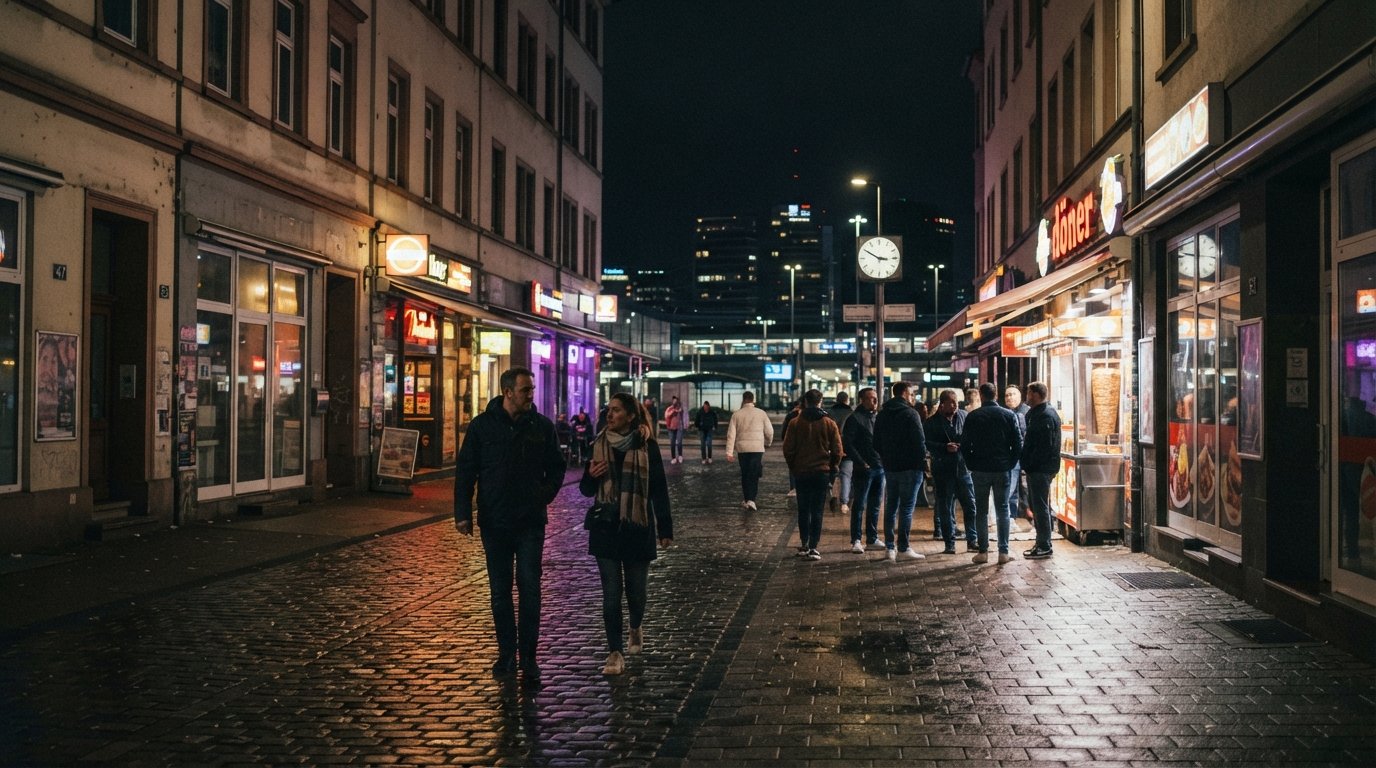
Two things, and they sit uncomfortably close together. The first is the reputation: this is Frankfurt’s red-light and drug quarter, and it still is, concentrated on Taunusstraße and the lower ends of Elbestraße and Moselstraße. You pass sex-work windows there. You may also pass open drug use near the station. It is a small footprint now, but it is real, and it is part of the district’s daily weather rather than an unfortunate footnote.
The second thing is the food. In the last decade, the same cheap central blocks that made this a hard-luck district turned it into Frankfurt’s best-value, most diverse eating quarter. Münchener Straße is the spine. Locals talk about its run of Vietnamese, Chinese and Middle Eastern kitchens as a kind of Little Asia, and that is not marketing language so much as a description of how it feels to walk it: steam, frying oil, dumplings, pho, banh mi, a fish counter, then a cocktail bar hidden behind an ordinary door. Around it, the grid thickens with Neapolitan pizza, Israeli sharing plates and a café-bar that goes from coffee to serious drinks without changing its shoes.
Kaiserstraße, for all its bustle, remains the district’s grandest line of sight. It was built as the elegant approach to the station, and the old townhouses still give the street a kind of formal backbone, even if the soundtrack now is more espresso machine and tram brake than carriage wheel. This is Frankfurt with the polish stripped off, but not the energy.
Plan your Frankfurt trip
Live prices from our booking partners.
Guests & rooms
Free cancellation on many rooms. We may earn a commission when you book.
Where to eat & drink
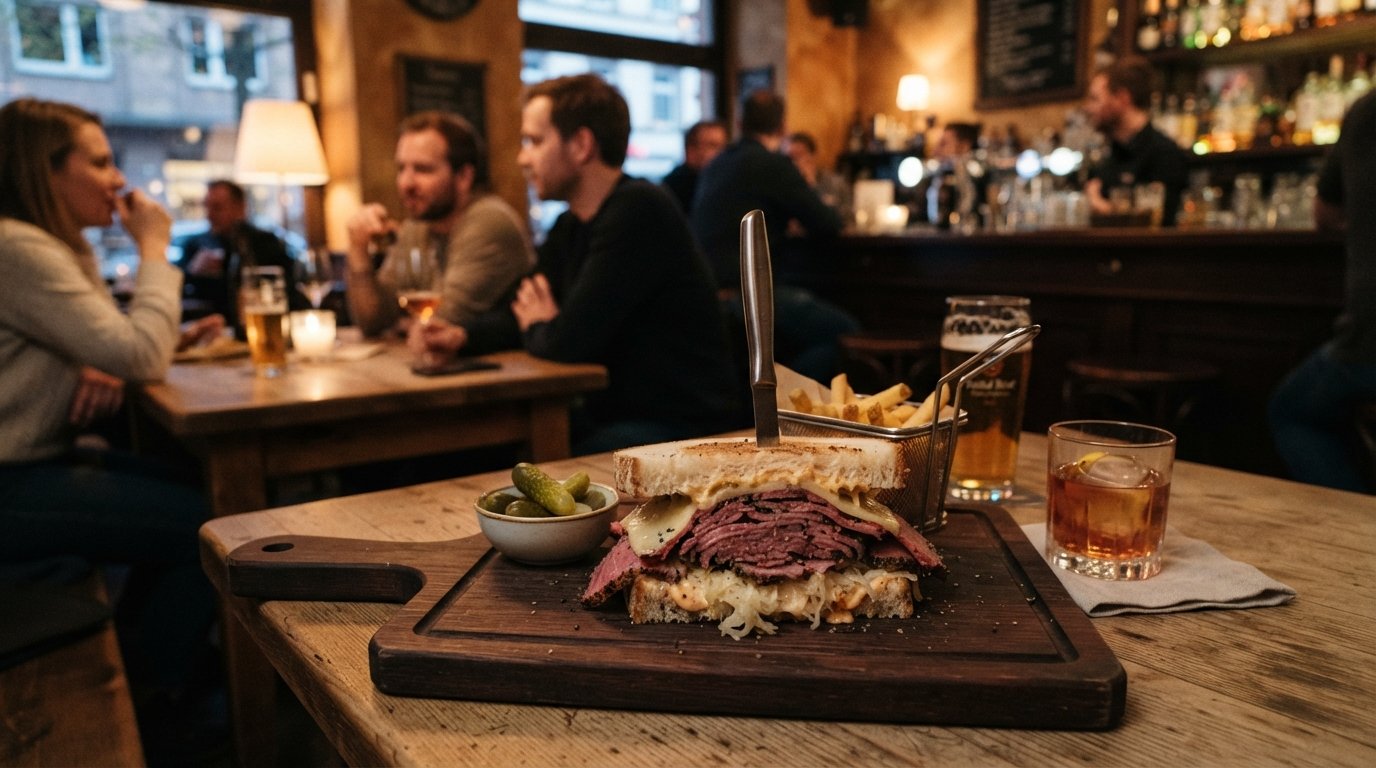
Start with the neighbourhood’s most photographed sandwich. Maxie Eisen on Münchener Straße bills itself as Germany’s first pastrami bar, and the claim is supported by the plate in front of you: brisket cured, smoked and marinated for four weeks, piled between white bread and served on a wooden board. Behind a sliding door there is a low-lit cocktail room, which feels exactly right for a district that likes its pleasures layered. It comes from the Ardinast brothers, who have had a hand in much of the area’s reinvention.
A few doors along, Alims Fischimbiss on Münchener Str. 35–37 is the anti-glamour move and all the better for it. This is a no-frills fish counter open daily until 10pm, where fish soup and grilled plates arrive fast, generous and cheap. It is the kind of place that reminds you how useful a neighbourhood can be when it is not trying to impress you. You come in hungry, you leave fed, and the whole transaction feels almost old-fashioned in its honesty.
For the Little Asia run, Pak Choi on Elbestraße is the locals’ Chinese: homemade noodles, secret-recipe dumplings, pavement seating. It is one of those addresses that makes a street feel like a small continent. The Vietnamese pho and banh mi spots along Münchener Straße run well below city-centre prices, which is part of their democratic charm. You do not need a reservation to eat well here; often you just need to be willing to sit where the room is already alive.
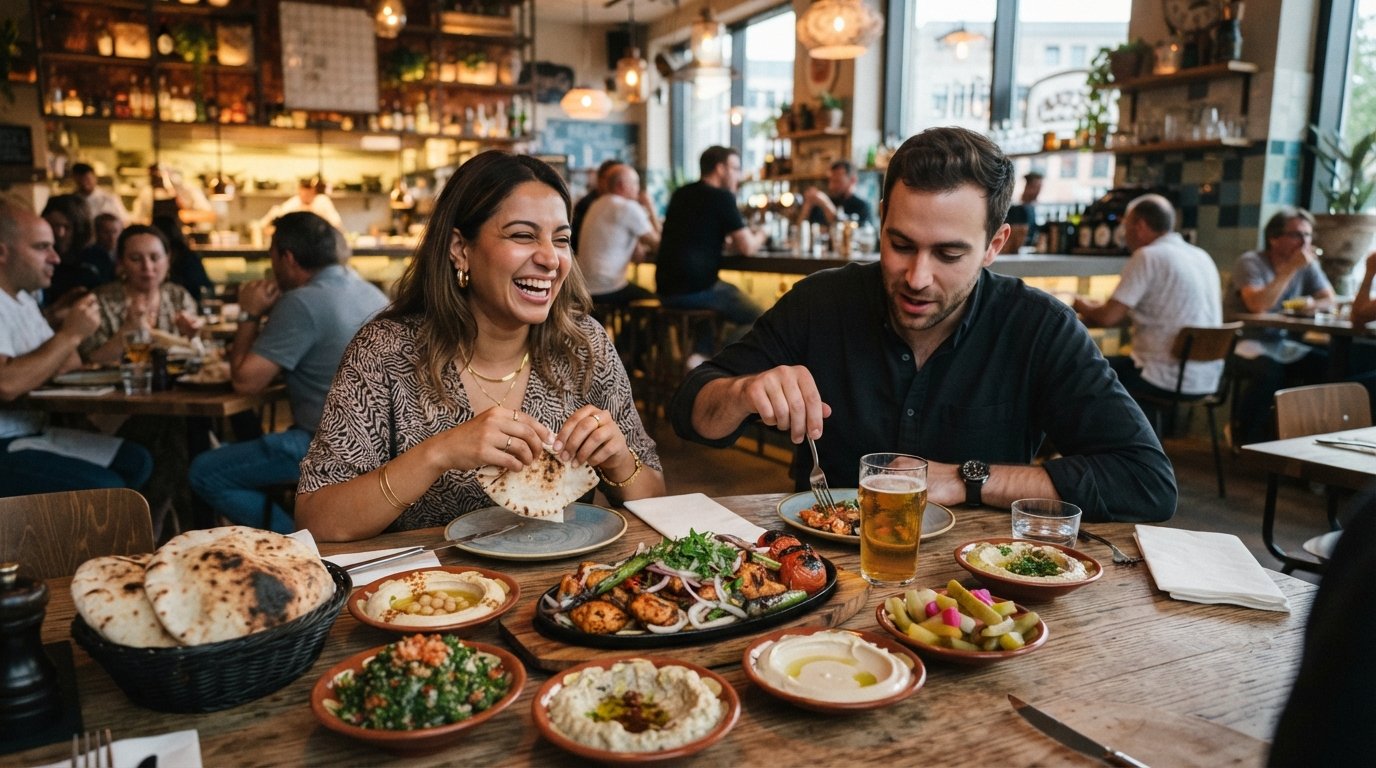
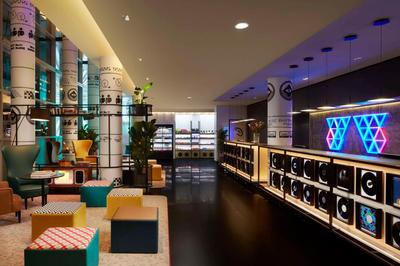
Bar Shuka, inside the 25hours Hotel The Trip on Niddastraße, shifts the mood from quick lunch to proper sit-down. It serves Israeli-Palestinian sharing plates — freshly baked pita, Jerusalem kebab, harissa and za’atar — and made the Falstaff Streetfood and Bar guides. That matters less than the fact that it feels of the district: generous, hybrid, unselfconscious, with enough confidence to let the food do the talking.
Pizzeria Montana on Weserstr. 14 is another lesson in how little the Bahnhofsviertel needs to show off. It fires proper Neapolitan pizza in a smiley-face wood oven in about 60 seconds. The speed is part of the pleasure. So is the fact that this is a neighbourhood where you can move from pastrami to fish soup to pizza without ever crossing into performance mode.
Plank on Elbestr. 15 is the cult daytime address, though daytime is only half the story. It is a corner café-bar from DJ Ata Macias, of Robert Johnson club fame, and it handles the transition from coffee and cake by day to excellent drinks at night with an almost irritating ease. It stays open late Thursday to Saturday, which in this district means it becomes part of the evening rather than a prelude to it.
And then there is Club Michel on Münchener Straße, the genuine cult item if you can get in. It is an invite-only supper club; you email ahead and hope for a reply. That slight opacity suits the Bahnhofsviertel, where the most interesting places are often the ones that do not advertise themselves loudly.
Going out
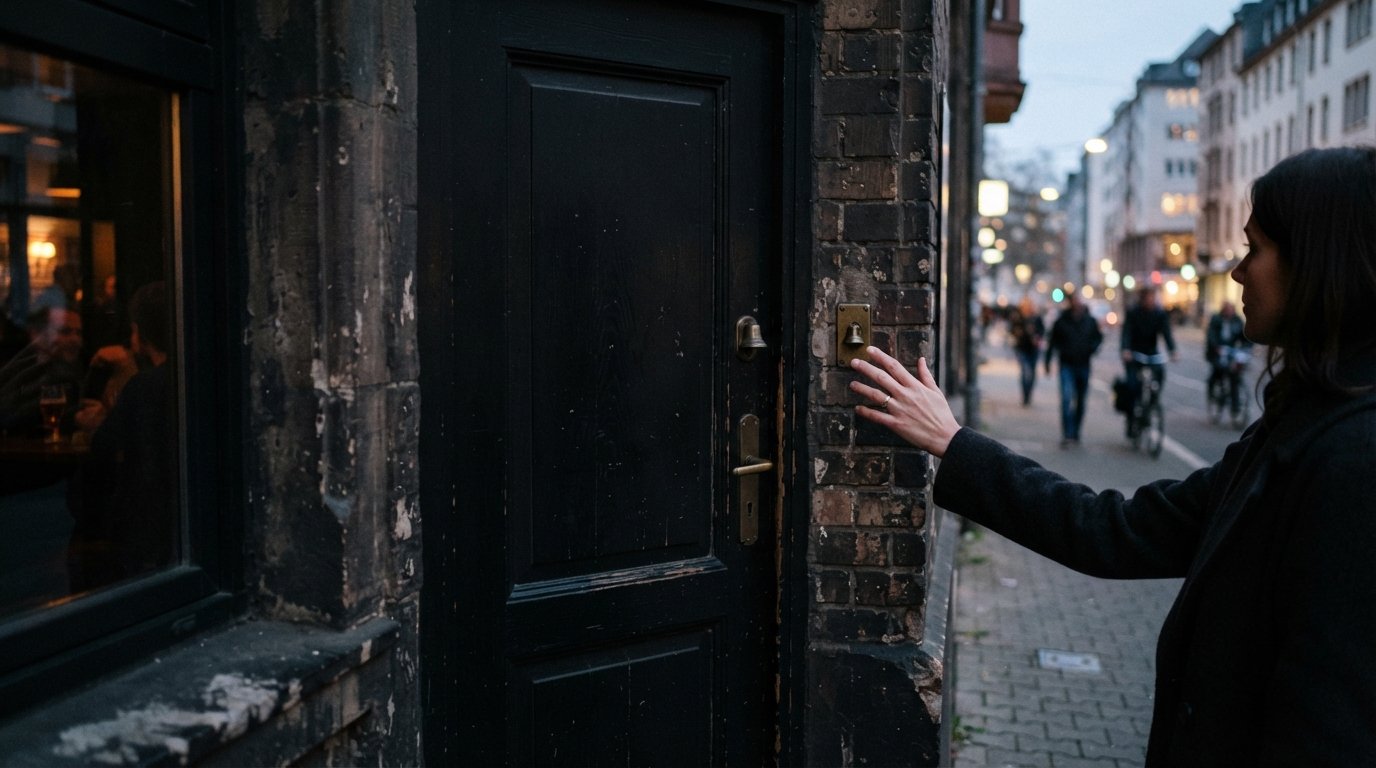
The Bahnhofsviertel is Frankfurt’s cocktail heart, and the flagship is The Kinly Bar on Elbestraße. There is no obvious sign. You ring a bell at an unmarked black door and descend into a vaulted cellar of vintage furniture, where the drinks are built with sous-vide and fermentation. Opened in 2015, it was named Bar of the Year 2020 at the Mixology Bar Awards and appears on the World’s 50 Best Discovery list. Check listings for the exact door before you go, because it has shifted to a new number on the same street. In this neighbourhood, even the best places prefer a little uncertainty.
Kinly’s DNA spread. Co-founder Armin Azadpour went on to open Hunky Dory on Baseler Str. 10, a 1930s–40s throwback with antique telephones at each booth so you can call your order through to the bar. The seasonal cocktail menu is elaborately staged, and the place runs from 7pm to the small hours. It has the pleasure of a room that knows exactly which era it is borrowing from and does not over-explain itself.
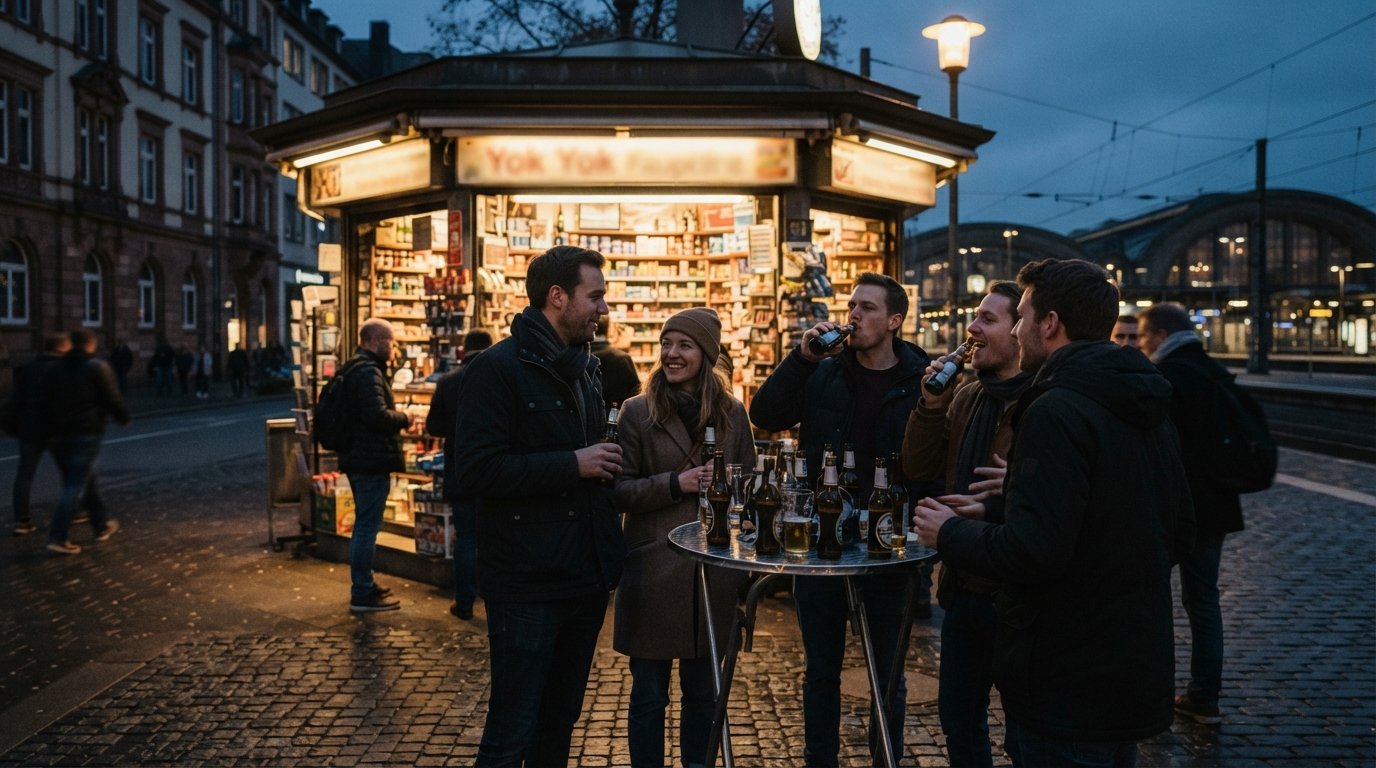
For something looser and cheaper, Yok Yok near the station is the neighbourhood’s famous kiosk. It stocks more than 300 beers from around the world and functions as an open-air living room, an everyone’s-family scene in a district that can otherwise feel hard-edged. It now has to stop selling alcohol at 10pm, so treat it as an aperitif stop rather than a nightcap. That said, the grid around it stays busy well past 2am, which is the real draw. This is where Frankfurt goes when the rest of the city has locked up.
Things to do / what to see
There is no headline sight here, and that is rather the point. The best hour you will spend is a slow walk of the grid: down Münchener Straße past the Vietnamese and Chinese kitchens, along Kaiserstraße’s grand 19th-century townhouses toward the skyline, then a loop of Elbe- and Weserstraße to clock how fast the mood shifts block by block. You learn the district by pace rather than by monument. One street smells of broth, the next of coffee, the next of late-night frying oil and extractor fans.
Frankfurt Hauptbahnhof is worth stepping inside even if you are not travelling. It is one of Europe’s busiest stations, with 24 above-ground platforms under a vast iron-and-glass train shed. That scale matters to the neighbourhood. The quarter exists in the station’s shadow and because of it, and the constant flow of arrivals and departures gives the streets their restless, practical charge.
Time your visit to Open Viertel if you can. It usually happens on a Saturday in late summer and replaced the old Bahnhofsviertelnacht street party. Five central plazas turn over to DJs, block-party music, live art and food, while local businesses, studios and social projects open their doors. It is the district showing off the version of itself it wants you to see: less edge, more civic confidence, still unmistakably itself.
Otherwise, this is a base camp. You are a five-minute walk from the Main and the Eiserner Steg footbridge to the Sachsenhausen museum riverfront, and a couple of U-Bahn stops from the Altstadt and the Kleinmarkthalle food market. The point is not to stay put. The point is to have the city’s most interesting eating and drinking quarter under your feet, then step out from there.
Don’t miss in Bahnhofsviertel
Kaiserstraße architecture
International food scene
Late-night bars
Shopping & markets
Shopping is not the Bahnhofsviertel’s strong suit, and that is fine. This is an eating-and-drinking district, not a retail one. Kaiserstraße carries the most street-level interest, with a scatter of concept-ish stores, cafés and international grocers among the restaurants. The small independent shops and specialist food markets skew toward the Turkish, Asian and Middle Eastern communities that live here, which means spices, produce and edible souvenirs rather than boutiques.
If you want proper retail, you barely have to leave. The Zeil, Frankfurt’s main pedestrian shopping mile, and the designer strip of Goethestraße are both a short walk or one U-Bahn stop east in the Innenstadt. For edible gifts, the Kleinmarkthalle indoor market — Frankfurt sausage, Handkäse cheese, spices — is a quick hop into the Altstadt. Keep the serious spending for over there; keep the Bahnhofsviertel for the plate and the glass.
Where to stay in the Bahnhofsviertel
The pull is obvious: you can roll a suitcase out of the Hauptbahnhof and be checked in within a few minutes, with the airport just 12 minutes away by S-Bahn. Hotels cluster thickly here, from big international chains to design places like the 25hours Hotel The Trip on Niddastraße, which also houses Bar Shuka. Prices tend to undercut the Altstadt for the same central position, and that convenience is not theoretical when you have an early train or a dawn flight.
The catch is which street. The blocks immediately around the station platforms, and the lower ends of Taunus-, Elbe- and Moselstraße, are the grittiest. This is the active red-light and drug zone, and it can feel rough after dark. A couple of streets deeper, toward Kaiserstraße and the Münchener Straße food run, it settles into ordinary busy-city energy. Read the exact address before booking, favour the northern and eastern edges of the quarter, and you get unbeatable transport and Frankfurt’s best late-night food on your doorstep. Light sleepers should ask for a courtyard-facing room; the streets do not go quiet.
Hotels in Bahnhofsviertel
Our best-rated stays in this neighbourhood. Prices are approximate “from” rates — confirmed at the provider when you continue. We may earn a commission if you book through our partners — at no extra cost to you.
In this area
In this area
In this area
In this area
Bahnhofsviertel
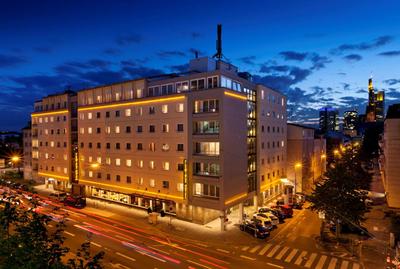
Flemings Hotel Frankfurt Main-Riverside
8.4· 5,350 reviews
approx. from£103 / nightSee prices
In this area
Bahnhofsviertel
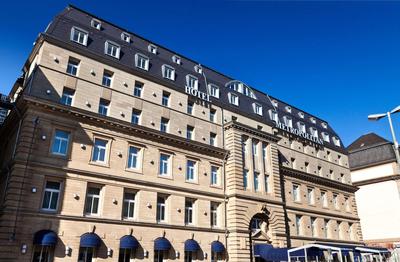
The Cloud One Frankfurt-Metropolitan
8.4· 4,637 reviews
approx. from£113 / nightSee prices
In this area
In this area
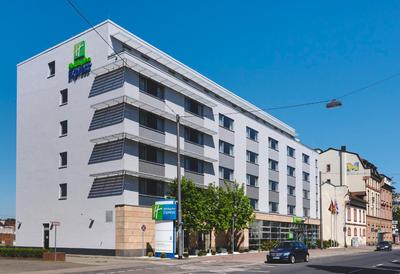
Bahnhofsviertel
Holiday Inn Express Frankfurt Messe by IHG
8.2· 7,462 reviews
approx. from£72 / nightSee prices
In this area
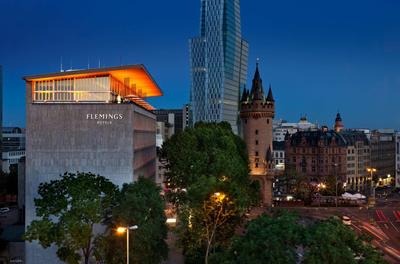
Bahnhofsviertel
Flemings Selection Hotel Frankfurt-City
8.2· 5,921 reviews
approx. from£152 / nightSee prices
In this area
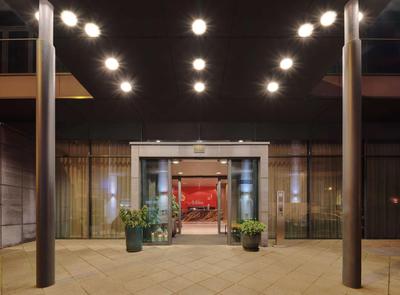
Bahnhofsviertel
Adina Apartment Hotel Frankfurt Neue Oper
9.0· 2,314 reviews
approx. from£178 / nightSee prices
In this area
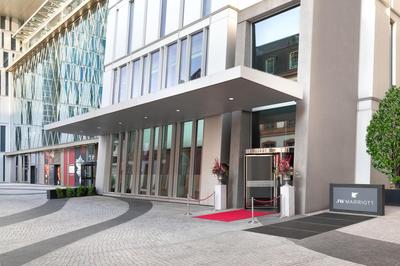
In this area
Getting around
You are on top of Frankfurt’s transport spine. Frankfurt Hauptbahnhof anchors the district, with U-Bahn, S-Bahn, tram and long-distance rail all under or beside it. The nearest metro stops are Hauptbahnhof and, on the district’s eastern edge, Willy-Brandt-Platz and Taunusanlage. The whole quarter is a flat, walkable grid: nowhere in it is more than about ten minutes on foot.
The airport is the easy win. S-Bahn lines S8 and S9 run from the Hauptbahnhof to Frankfurt Airport in roughly 12 minutes, every 10 minutes or so. For the centre, it is a 5–10 minute walk or a single U-Bahn stop to the Altstadt and the Zeil; the Hauptwache hub is about two stops away. Cross the Main via the Eiserner Steg footbridge, about 10 minutes’ walk, and you are in Sachsenhausen among the apple-wine taverns and the Museumsufer. One S-Bahn or U-Bahn ticket covers onward trams and buses within the RMV zone.
The Bahnhofsviertel is not for anyone looking for quiet, polished, postcard Frankfurt. It is for people who want the city’s most international food within a five-minute walk, a bar that knows how to hide itself, and the station as a constant presence rather than a problem to be avoided. It is messy in places, but never dull. That, in Frankfurt, is saying something.
Gallery
Bahnhofsviertel in pictures
Bahnhofsviertel — your questions
Is the Bahnhofsviertel a good area to stay in Frankfurt?
Yes, if convenience and food matter most. You are on top of the main station and about 12 minutes from the airport, prices are often better than in the Altstadt, and Frankfurt’s best late-night international eating is right there. The trade-off is grit: the streets by the platforms and the red-light blocks are not pretty, so book a couple of streets in, toward Kaiserstraße or Münchener Straße.
Is the Bahnhofsviertel safe?
It is generally safe to walk, and it is central and busy, but this is still Frankfurt’s active red-light and drug quarter, mainly Taunusstraße and the lower ends of Elbe- and Moselstraße, plus the blocks hugging the station. You may pass sex work and open drug use there. Violent crime against visitors is uncommon; keep normal big-city awareness and move a street or two inward where it is noticeably calmer.
Where should I eat and drink in the Bahnhofsviertel?
For food, start with Maxie Eisen for pastrami, Bar Shuka for Israeli-Palestinian plates, Pizzeria Montana for wood-fired pizza, Pak Choi and the Münchener Straße Vietnamese spots for cheap Asian food, and Alims Fischimbiss for fish soup and grilled plates. For drinks, The Kinly Bar and Hunky Dory are the serious cocktail stops, Plank works from coffee to late drinks, and Yok Yok is the kiosk for 300-plus beers before 10pm.
What is the Bahnhofsviertel known for besides nightlife?
It is known for being Frankfurt’s most international food district, with a compact grid of Vietnamese, Chinese, Middle Eastern and Israeli kitchens, plus a strong cocktail scene. It is also still the city’s red-light and drug quarter, so the neighbourhood’s character is a mix of grit, movement and excellent eating.