The Frankfurt issue
The Museum Riverbank: Frankfurt's Städel and the Galleries Along the Main
A calm, walkable guide to Frankfurt's Museumsufer — from the Städel's 700 years of painting to the old-town kunsthalles across the water, with the honest door and group notes.

By Robin van DijkThe city read on foot, one district at a time

The Main runs shallow and businesslike through the middle of Frankfurt, and for one stretch of its southern bank the city has done something quietly unusual: lined a single riverside road, the Schaumainkai, with a dozen museums close enough to walk between before lunch. This is the Museumsufer — the museum riverbank — and it is the rare cultural district you can genuinely plan on foot, plane trees overhead, gravel underfoot, the bank skyline glinting across the water the whole way. What follows is a route rather than a ranking: south bank first, then the older institutions clustered around the square across the river, then two places worth leaving the water for.
Start with the one that earns the trip: the Städel

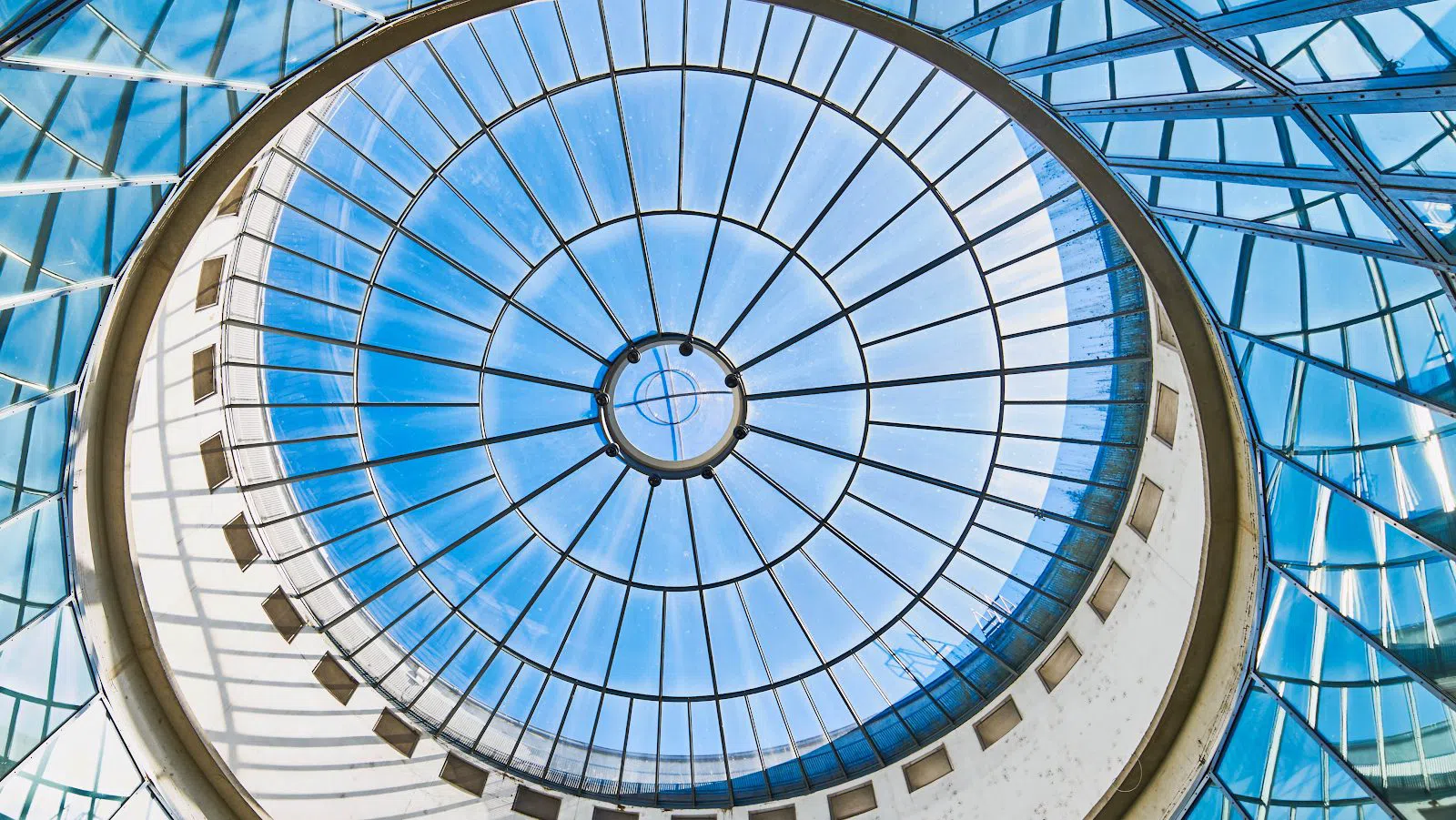
If you do nothing else, do the Städel Museum (Sachsenhausen, on the Schaumainkai). It is Frankfurt's flagship and the single unmissable stop for any traveller, wherever you have come from: 700 years of art under one roof, from Botticelli and Vermeer through to Richter, in a building whose sunken, skylit modern wing is worth the €16 adult ticket on its own. Special exhibitions run higher, so check what is on before you fix a budget. It handles visitors of every kind well — there is a dedicated group booking desk, and guided tours and studio workshops run in seven-plus languages, so a mixed international group is genuinely catered for rather than tolerated. Couples and solo travellers should simply come early; the collection rewards a slow two hours, and the crowds thicken after eleven.
A short walk along the same embankment brings you to the Liebieghaus Skulpturensammlung (Sachsenhausen), a sculpture collection set inside a small fairytale villa with a garden — 5,000 years of it, from Egypt to the Baroque, at around €12. The draw here beyond the setting is the polychromy work: careful reconstructions showing how ancient statues were once painted, which quietly dismantles the idea that antiquity was all bare white marble. It is a calm, human-scale stop, well suited to couples and to anyone who found the Städel's scale a lot. Audio guides and group tours are available, and there is an accessible-tour line for hearing- and visually-impaired visitors — a rare, welcome thing to be able to note.
Plan your Frankfurt trip
Live prices from our booking partners.
Free cancellation on many rooms. We may earn a commission when you book.
The design-and-ideas stretch of the Schaumainkai
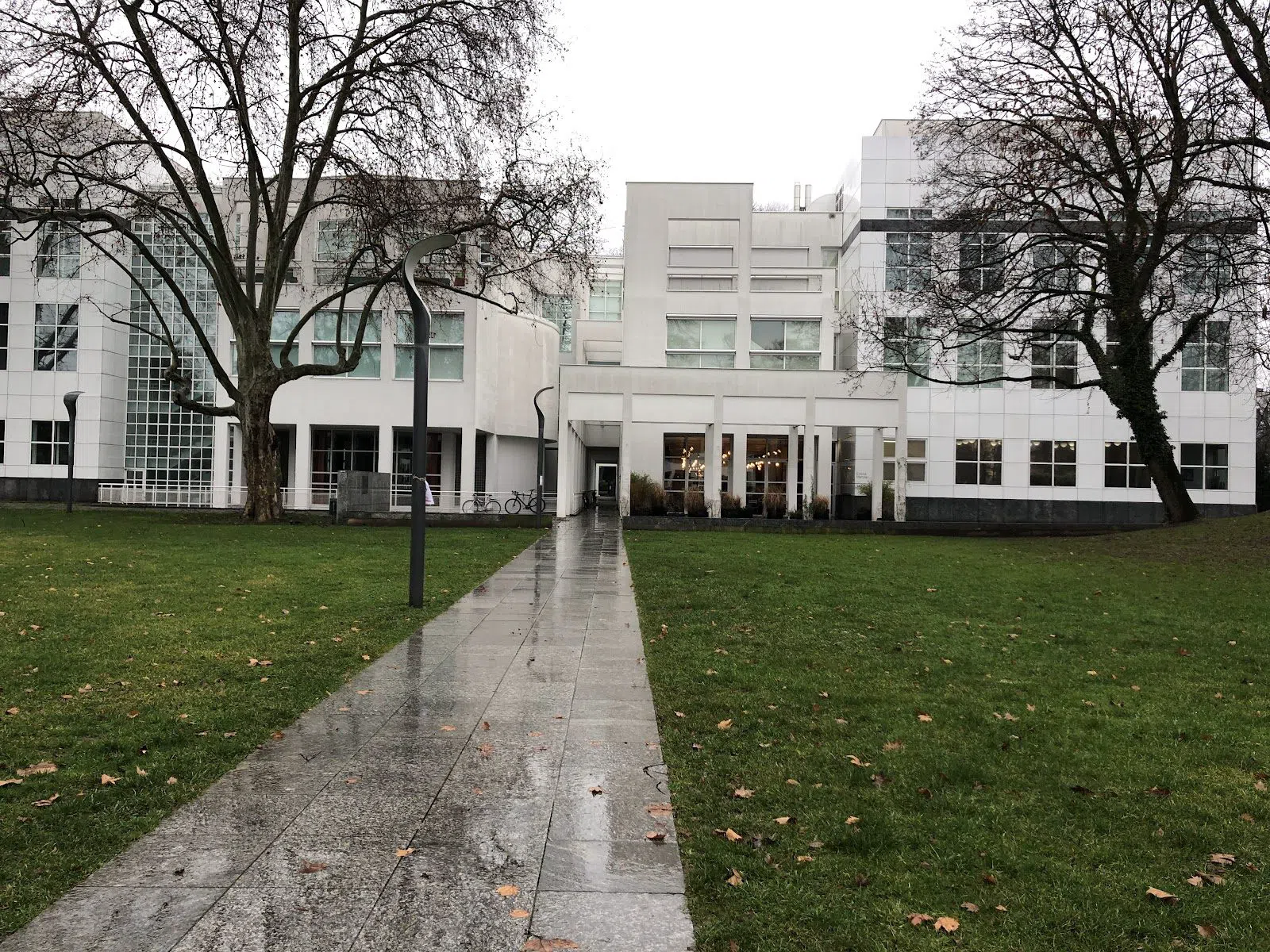
The same road strings together several museums that trade in objects and ideas rather than paintings, and they make a natural sequence. The Museum Angewandte Kunst (Sachsenhausen) is the stylish counterpoint to the big art houses: design, fashion and craft from Europe and Asia, shown inside a landmark white Richard Meier building with a lawn that locals treat as a park. Around €12, calm and uncrowded, it takes groups and runs design-focused tours, but it is just as happy for a couple killing a slow afternoon.
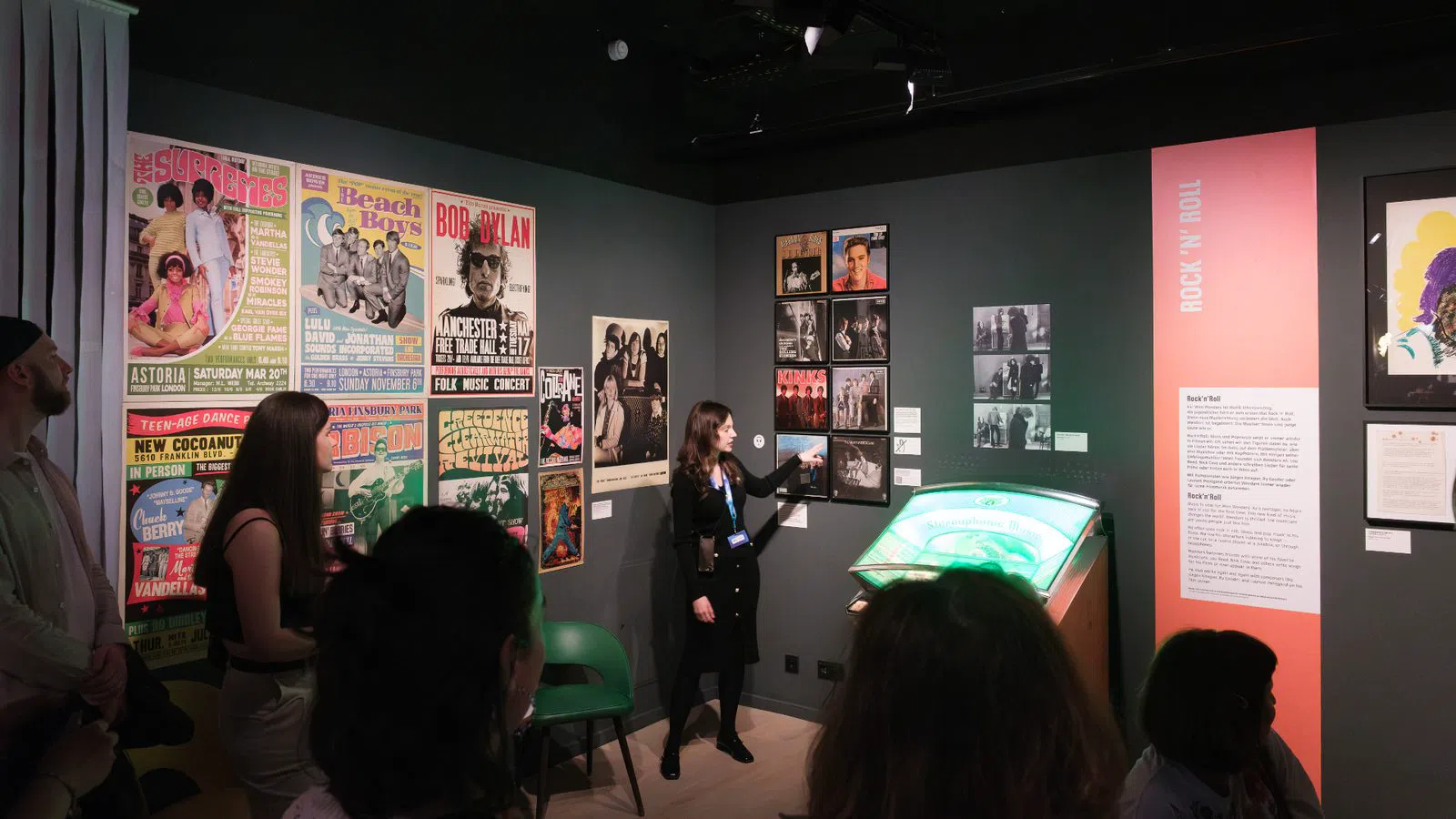
Next along, the DFF – Deutsches Filminstitut & Filmmuseum (Sachsenhausen) pairs a smart, hands-on history of cinema with a working repertory cinema downstairs. Museum entry is a modest €6, screenings are ticketed separately, and it is a strong pick for film-curious travellers who want to do something in the evening after the collections shut. Two practical warnings: it is closed Mondays, and if you want to actually see a film, check the programme in advance rather than turning up hopeful.
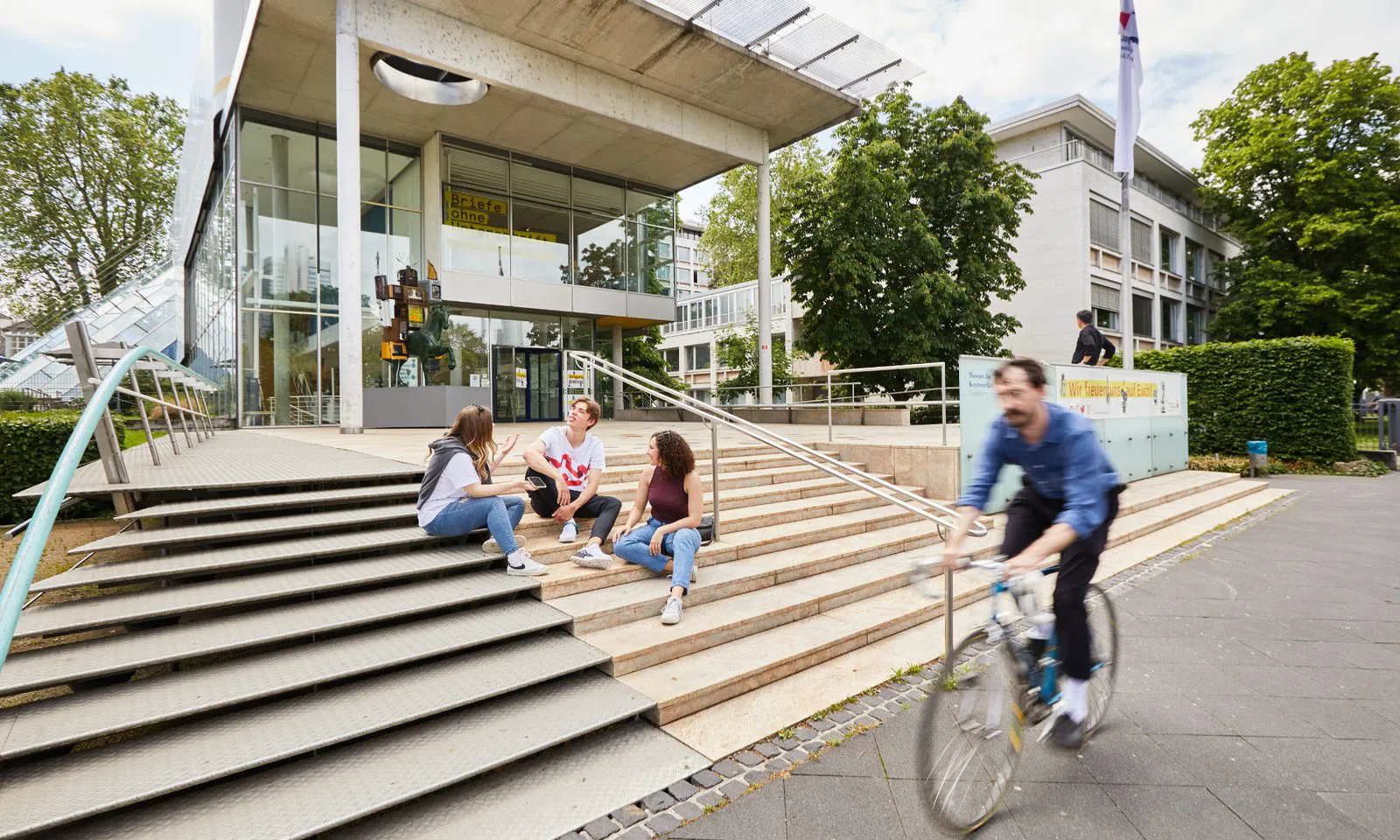
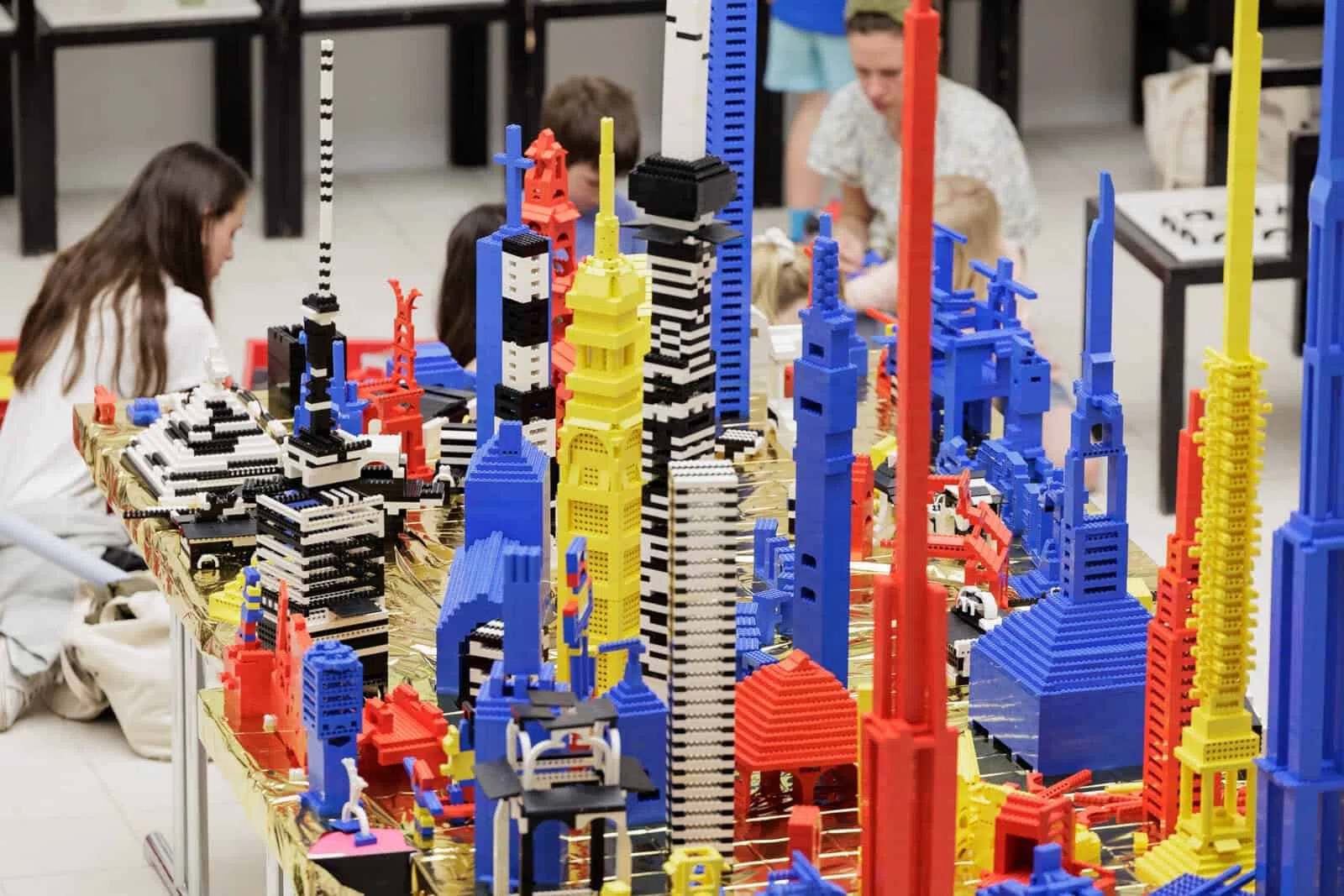
A little further sits the Museum für Kommunikation Frankfurt (Sachsenhausen), which runs from carrier pigeons to AI across interactive, tactile stations, and is one of the best-value stops on the bank at around €6. This is the one to steer families and mixed-interest groups toward — everyone finds something to press, and no one is bored. It, too, is closed Mondays, so pair it with the DFF on a day that isn't the start of the week.
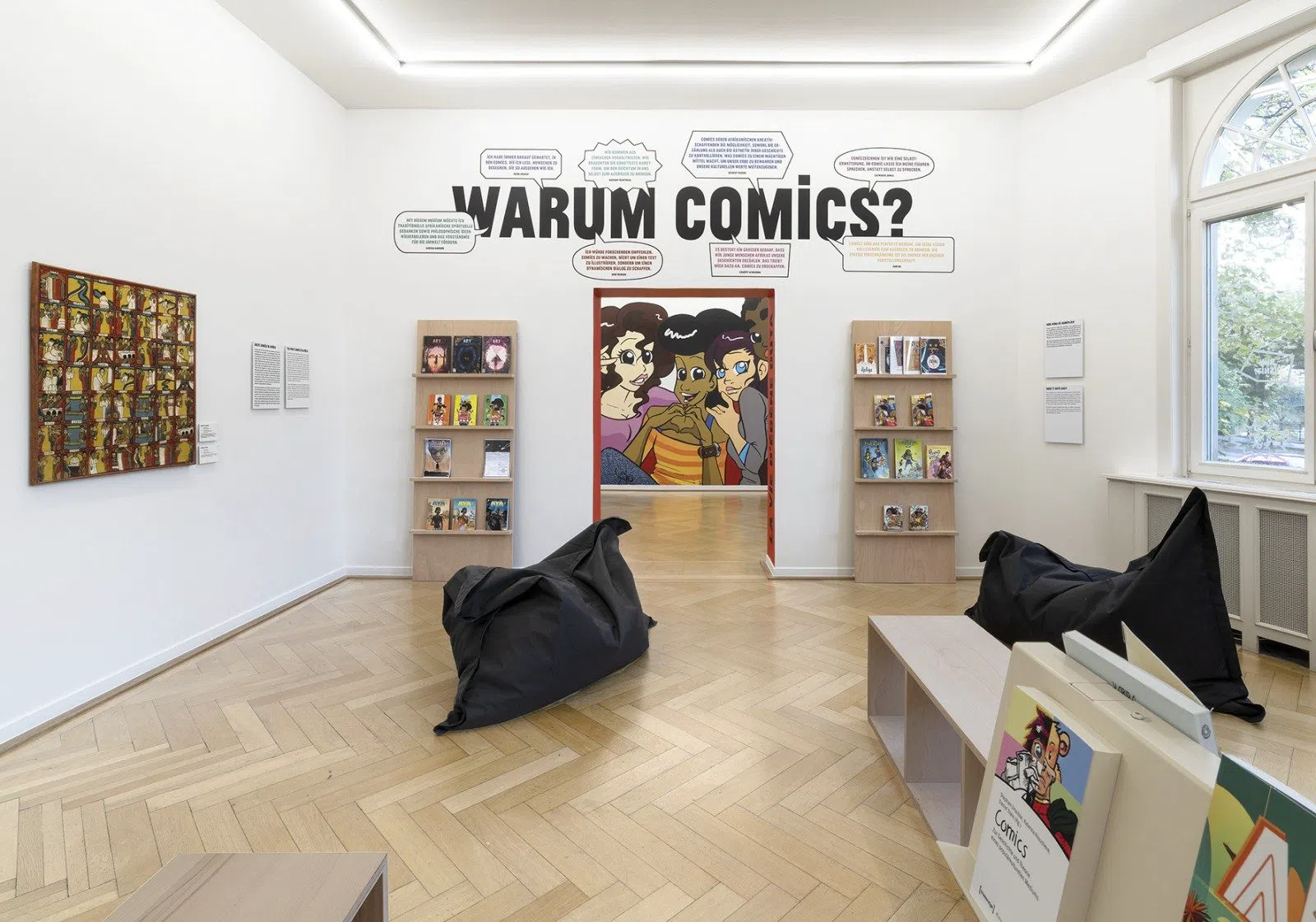
The Weltkulturen Museum (Sachsenhausen), an ethnology museum near the same run of the embankment, comes with an important caveat: it has no permanent display and instead mounts rotating shows from its collection — the current one, 'SHEROES. Comic Art from Africa', runs to 30 August 2026 — so at roughly €7 it is only worth the detour if what's on appeals. Always check the programme before you set out. The same is true, for different reasons, of the Deutsches Architekturmuseum (DAM): its landmark Schaumainkai home is reopening after renovation around August 2026, and until then the museum operates from an interim quarter, 'DAM Ostend', near Ostbahnhof, a short ride east of the river. Around €12, and firmly a verify-before-you-go stop for 2026 — do not walk to the riverbank expecting to find it open in its old building.
Across the water: the old-town institutions
Cross one of the footbridges to the north bank and the mood shifts from riverside promenade to old town. Near the reconstructed square, the Schirn Kunsthalle Frankfurt (Altstadt) is the city's blockbuster machine — a big exhibition hall with no collection of its own, so it lives or dies on its temporary shows, which are consistently among the country's most ambitious. Tickets run €11–15 per show; it takes advance group bookings and runs booked guided tours. Because there's nothing permanent to fall back on, this is another where you check the programme first: a great show is unmissable, an off week is skippable.
A few minutes away, the Museum MMK für Moderne Kunst (Altstadt) holds one of Europe's leading contemporary collections, but with a twist that catches people out — it is spread across three buildings (the main MMK, the TOWER MMK and the Zollamt), each showing different things. At around €16, confirm which venue your target show is in before setting out, or you'll cross town twice. Guided tours are bookable across all three sites, so groups with a specific interest can be looked after; independent visitors should just do the ten seconds of homework.
For how the city itself came to be, the Historisches Museum Frankfurt (Altstadt) is the best single primer, and at around €8 among the cheapest substantial stops. The crowdsourced model of the city and the old-town views are the highlights, and the hands-on displays make it genuinely family-friendly. Close by, the Frankfurter Kunstverein (Altstadt) occupies a landmark stone house on the main square and champions emerging, experimental art rather than the canon — around €8, with a late Thursday opening until 9pm that makes it an easy end to a day. This is the one for travellers who want the cutting edge and don't mind not recognising a single name on the wall; it will frustrate anyone hoping for old masters.
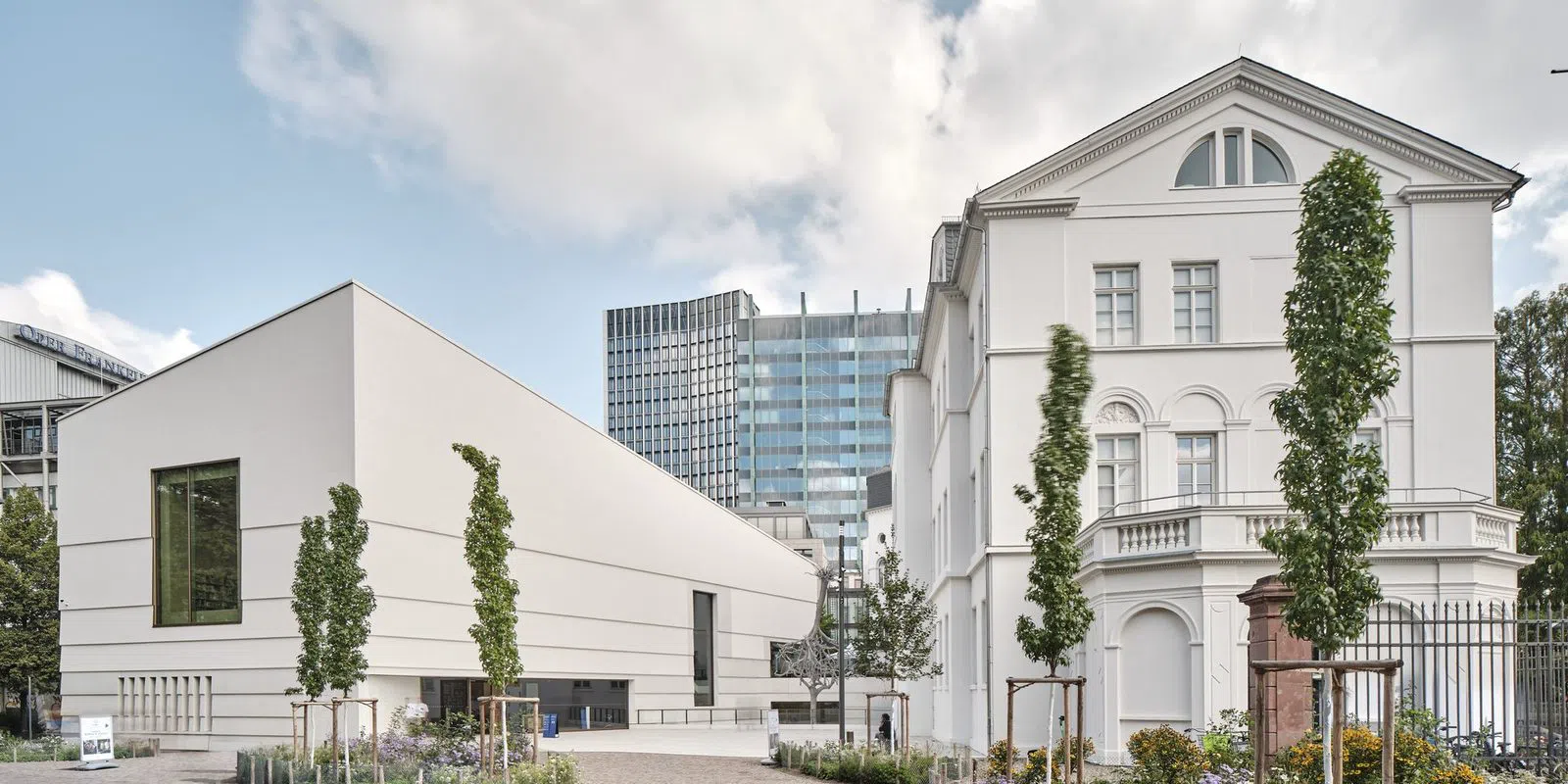
A short walk toward the river on the north side brings you to the Jüdisches Museum Frankfurt (Innenstadt), set in the former Rothschild family palace, which tells 800 years of Jewish life in the city — thoughtfully done, internationally resonant, and worth the roughly €10 and the unhurried hour it asks for. Group tours are bookable, and it keeps a full events and tour calendar.
Two worth leaving the river for
Not everything sits on the water. West of the centre, in the university quarter, the Senckenberg Naturmuseum (Westend) holds Europe's largest collection of big dinosaurs and is the obvious call for families, at around €12 with family tickets available. It runs bookable, expert-led workshops, including a simulated fossil dig that children remember for years. One access note for 2026: step-free access is limited from 31 August to roughly 4 September during a lift replacement, so anyone relying on the lift should plan around those dates.
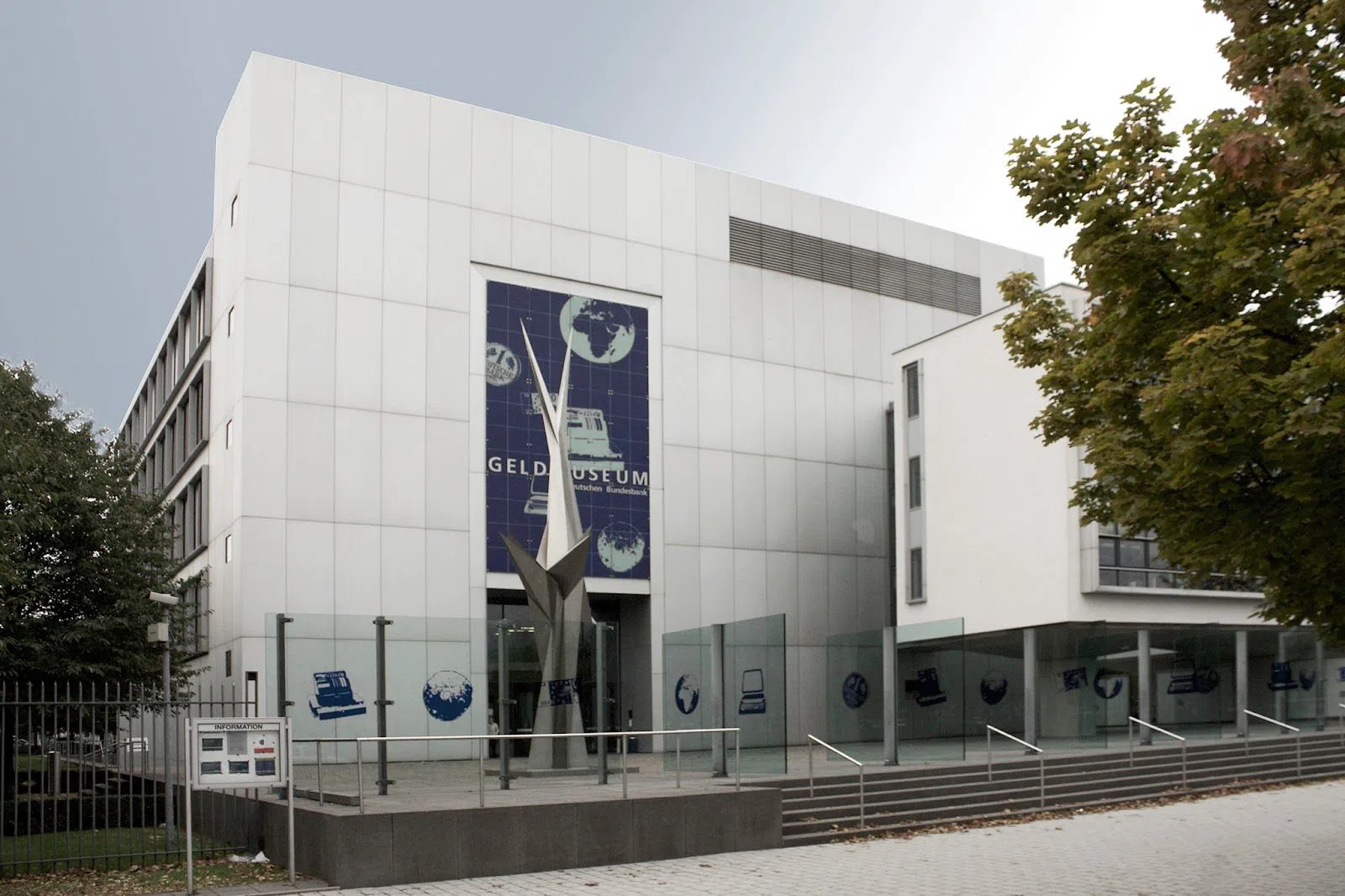
Finally, and improbably, the Geldmuseum der Deutschen Bundesbank (Ginnheim, up by the central bank) earns its place precisely because Frankfurt is Europe's banking capital. It is free, surprisingly engaging on money and inflation, and easy to bring a group to since there's no ticket to buy — school and group tours are bookable. Mind the closures, though: it shuts on Saturdays, and in 2026 is also closed on 1 May and from 24–30 August. It's a detour rather than part of the riverside walk, so treat it as a deliberate half-morning, not a drop-in.
How to choose, honestly
No one should try to do all of this. For a first, wide sweep of the city, the Städel and the Historisches Museum together give you the art and the story. Couples and slow travellers will get more from the Liebieghaus and the Museum Angewandte Kunst than from the blockbuster halls. Families should point straight at the Senckenberg and the Museum für Kommunikation. And anyone chasing the contemporary should build a day around whatever the Schirn, the MMK and the Frankfurter Kunstverein happen to be showing — those three reward the traveller who checks the programme and punish the one who doesn't.
For where to base yourself, the Sachsenhausen and old-town sides both put you within walking distance of the bank; a Frankfurt hotel search will show which suits your dates, and the wider Frankfurt guide covers eating and neighbourhoods beyond the museums.
Practical notes
Getting around. The whole Schaumainkai run is walkable end to end in well under half an hour, and footbridges make hopping between the two banks easy. The two outliers — the Senckenberg to the west and the Geldmuseum to the north — are quick rides on the U-Bahn, and the interim DAM Ostend is a short trip east; the same public-transport ticket covers all of it.
Timing. Many of these museums are free on the last Saturday of the month, which is wonderful value and predictably busy — arrive at opening if you go then. The DFF and the Museum für Kommunikation close on Mondays, and the Geldmuseum closes Saturdays plus a handful of 2026 dates noted above, so a Monday or a Saturday needs planning. Late Thursday at the Frankfurter Kunstverein (to 9pm) is the easiest evening option.
Cash and tickets. Prices sit mostly between free and €16, with special exhibitions at the Städel and the Schirn pushing higher; card payment is normal, but carry a little cash for lockers, cloakrooms and cafés. Groups should book ahead everywhere that offers it — the Städel, MMK, Schirn and Senckenberg in particular have proper group desks and multilingual tours, and walking a large group up to the door unannounced is the one reliable way to be turned away or split up.
Budget. A focused day of two or three museums, moving on foot, comes in comfortably; time it for the last Saturday of the month and it can cost almost nothing but your attention.
Before you go
What is the Museumsufer in Frankfurt?
The Museumsufer, or 'museum riverbank', is a stretch of the Main's southern bank along the Schaumainkai where around a dozen museums stand close enough to walk between, including the Städel, Liebieghaus, Museum Angewandte Kunst and the film and communication museums. Several more sit just across the water in the old town.
Which Frankfurt museum should I visit if I only have time for one?
The Städel Museum. It spans 700 years of art from Botticelli and Vermeer to Richter, handles international and group visitors well with multilingual tours, and rewards an unhurried two hours. Adult entry is around €16, with higher prices for special exhibitions.
Are the Museumsufer museums free at any time?
Many — including the Städel, Schirn, MMK, Liebieghaus and several others — are free on the last Saturday of the month. The Geldmuseum der Deutschen Bundesbank is free year-round. Expect the free Saturday to be busy, so arrive at opening.
Which Frankfurt museums are best for families or groups?
For families, the Senckenberg Naturmuseum (Europe's largest big-dinosaur collection, plus a simulated fossil dig) and the hands-on Museum für Kommunikation are the strongest picks. Groups should book ahead at the Städel, MMK, Schirn and Senckenberg, which run dedicated group desks and multilingual tours.
Are any Frankfurt museums closed or relocated in 2026?
Yes. The DFF Filmmuseum and Museum für Kommunikation close on Mondays; the Geldmuseum closes Saturdays plus 1 May and 24–30 August 2026. The Deutsches Architekturmuseum (DAM) operates from its interim 'DAM Ostend' quarter until its Schaumainkai building reopens around August 2026, and the Senckenberg has limited step-free access from 31 August to about 4 September during a lift replacement.