The Frankfurt issue
Apfelwein and the Bembel: Frankfurt's Other Exchange Rate
Skip the towers by the river for an evening and learn the cloudy, sharp cider that Frankfurt reckons by the jug — with the taverns worth walking to and how to get a table for six.

By Robin van DijkThe city read on foot, one district at a time
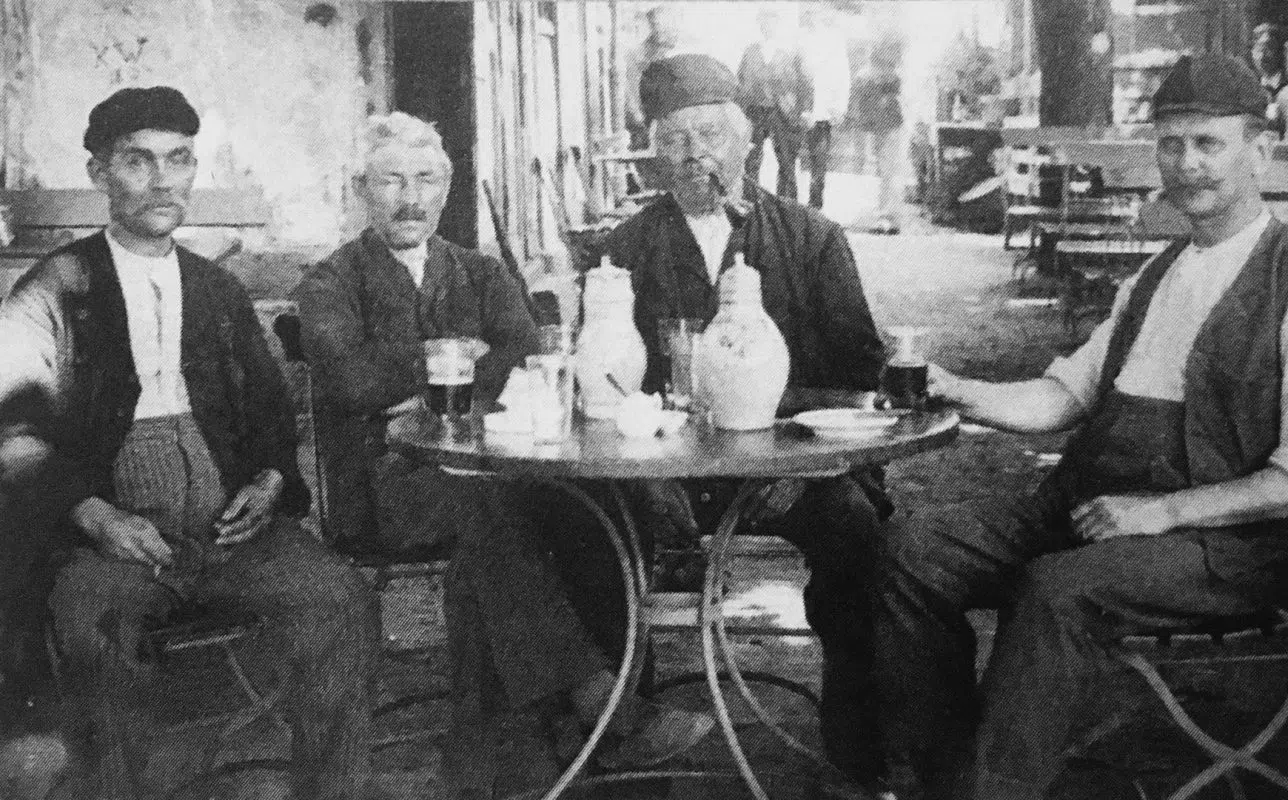
Frankfurt trades in two currencies. There is the one the glass towers along the Main deal in — the euro, in figures too large to picture — and there is the one poured a short walk south of the river, cloudy and sharp, measured out in a ribbed glass and reckoned by the jug. Learn the second and the whole temperature of the city changes: the financial capital of the continent turns out to keep its real accounts in cider.
The jug, the glass, the ritual
Before the venues, a little vocabulary, because it saves you looking lost at the table. The drink is Apfelwein — apple wine, though it drinks far closer to a bone-dry cider than to anything sweet. Locals call it Ebbelwoi, or simply Stöffche, "the stuff". It arrives in a Bembel, the round grey stoneware jug glazed in cobalt blue that you'll see stacked on every shelf, and you pour from it into a Geripptes: a tumbler cut with diamond ribbing that catches the light and, more usefully, keeps a greasy hand from losing its grip. A single glass is a Schoppen, roughly 0.3 litres, and across the entire city it costs somewhere between €2.30 and €2.50 — a price so stable it works as its own exchange rate, one that has barely moved while everything else has.
You can drink it pur (straight), sauer gespritzt (cut with sparkling water, if the tartness catches you off guard), or süß (with lemonade, which no local over the age of twelve will admit to ordering). The food underneath it rarely changes from tavern to tavern: Handkäse mit Musik, a translucent sour-milk cheese buried under raw onions, the "music" being what the onions do to you later; Frankfurter Schnitzel served with the city's cold, seven-herb green sauce; Rippchen mit Kraut, cured pork over sauerkraut. Mains sit around €10–18 almost everywhere. What actually changes from door to door is the room, the crowd, and how gracefully a party of six is received on a Friday night — which is what the rest of this guide is for.
Plan your Frankfurt trip
Live prices from our booking partners.
Free cancellation on many rooms. We may earn a commission when you book.
Sachsenhausen: the heartland
Most of the cider houses cluster on the south bank of the Main, in Sachsenhausen, within a ten-minute walk of one another around Schweizer Straße and the cobbled lanes east of it. You can do three in an evening on foot and never plan a route more complicated than "downhill, towards the river."
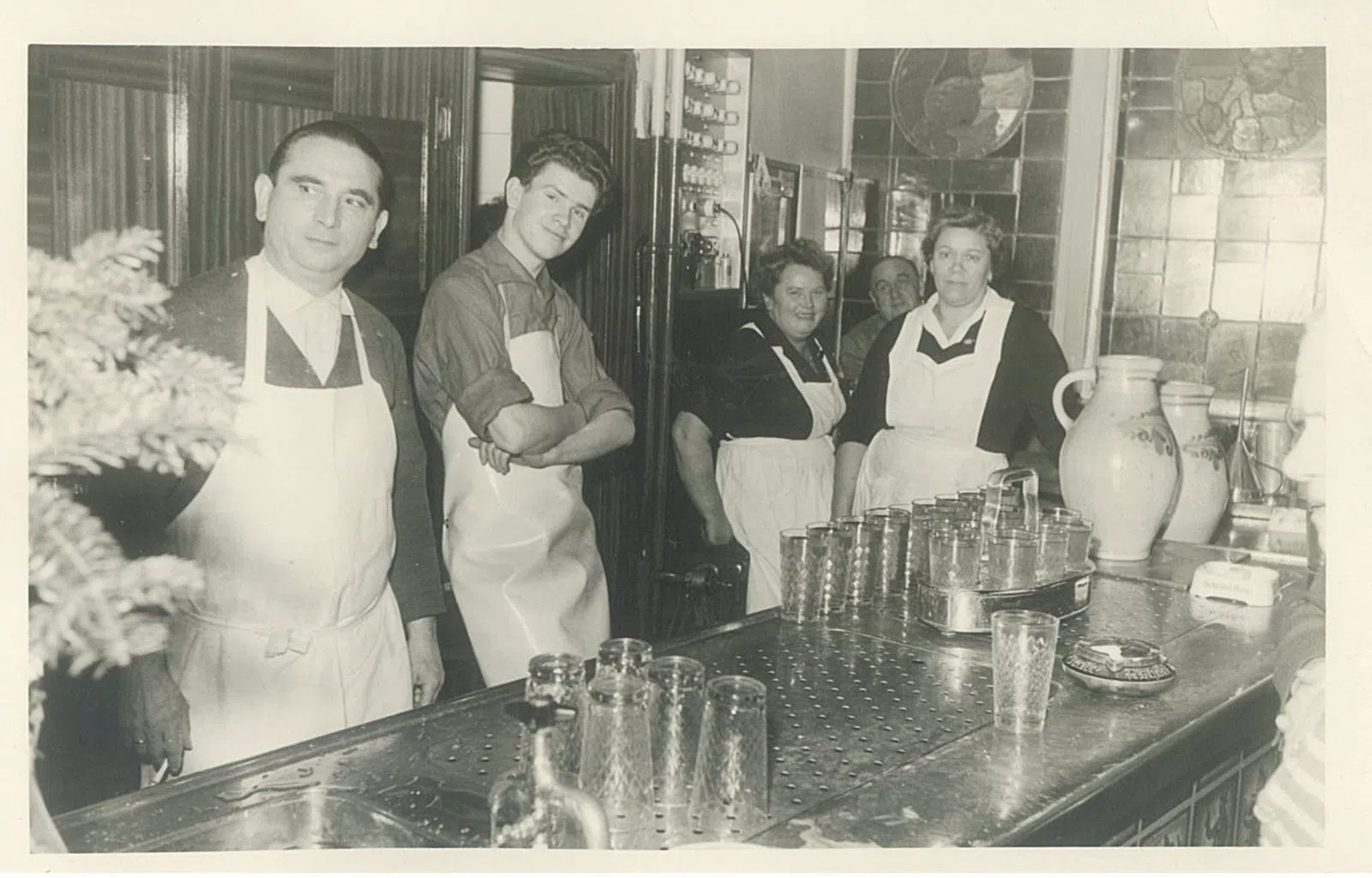
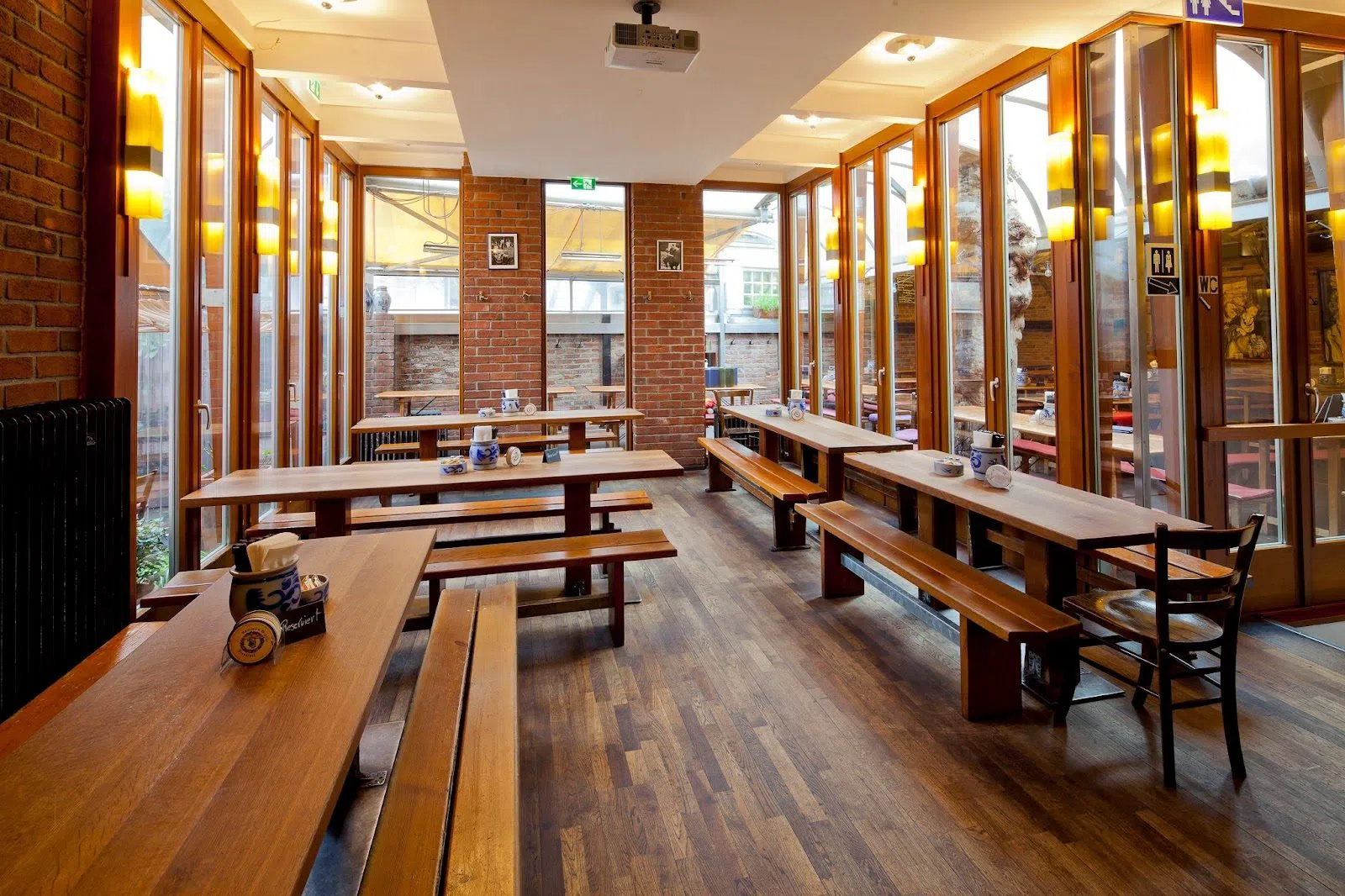
Start where everyone else measures from. Apfelwein Wagner (Sachsenhausen, on Schweizer Straße) has poured since 1931, is now third-generation family-run, and still presses its own cider — it is the yardstick every other tavern in this guide is quietly compared to. It is also the most forgiving place to arrive without a plan: the long communal tables mean small groups simply slot onto the end of a bench, no booking taken or needed. Turn up, share the table, and let the Bembels come. A Schoppen runs about €2.50; mains land between €10 and €17. It is loud, brisk and genuinely old, and if you only have one evening, this is the anchor.
A few doors along, Zum Gemalten Haus (Sachsenhausen, Schweizer Str. 67) is the one you've seen photographed: nearly ninety years in place, its façade and interior covered in painted murals, making it the most instantly recognisable of the lot. The shared-table setup is as lively as Wagner's, but for a larger party you should reserve ahead — walk-ins fit in twos and threes, not sixes. Glasses are about €2.50, mains €11–18.
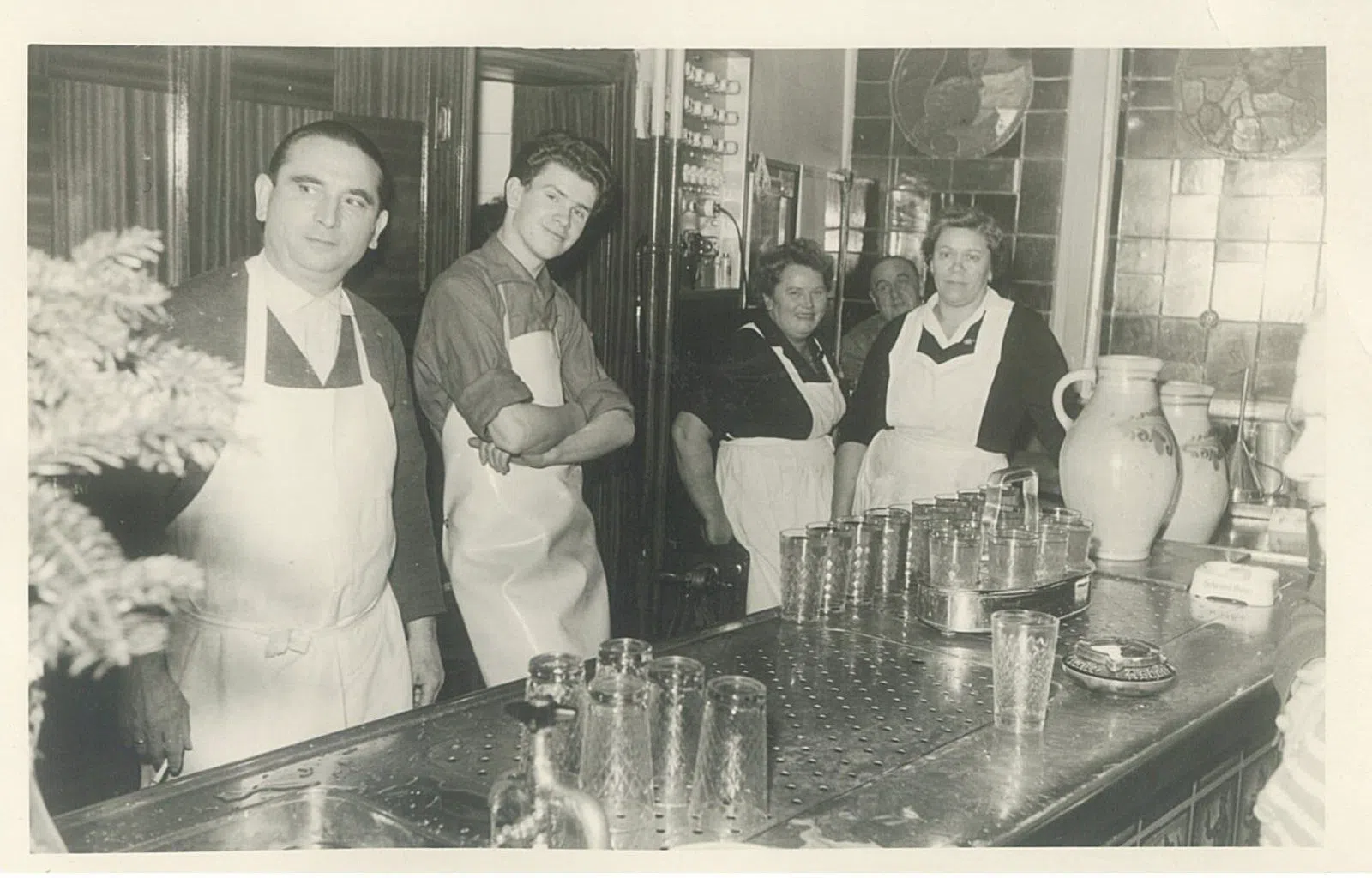
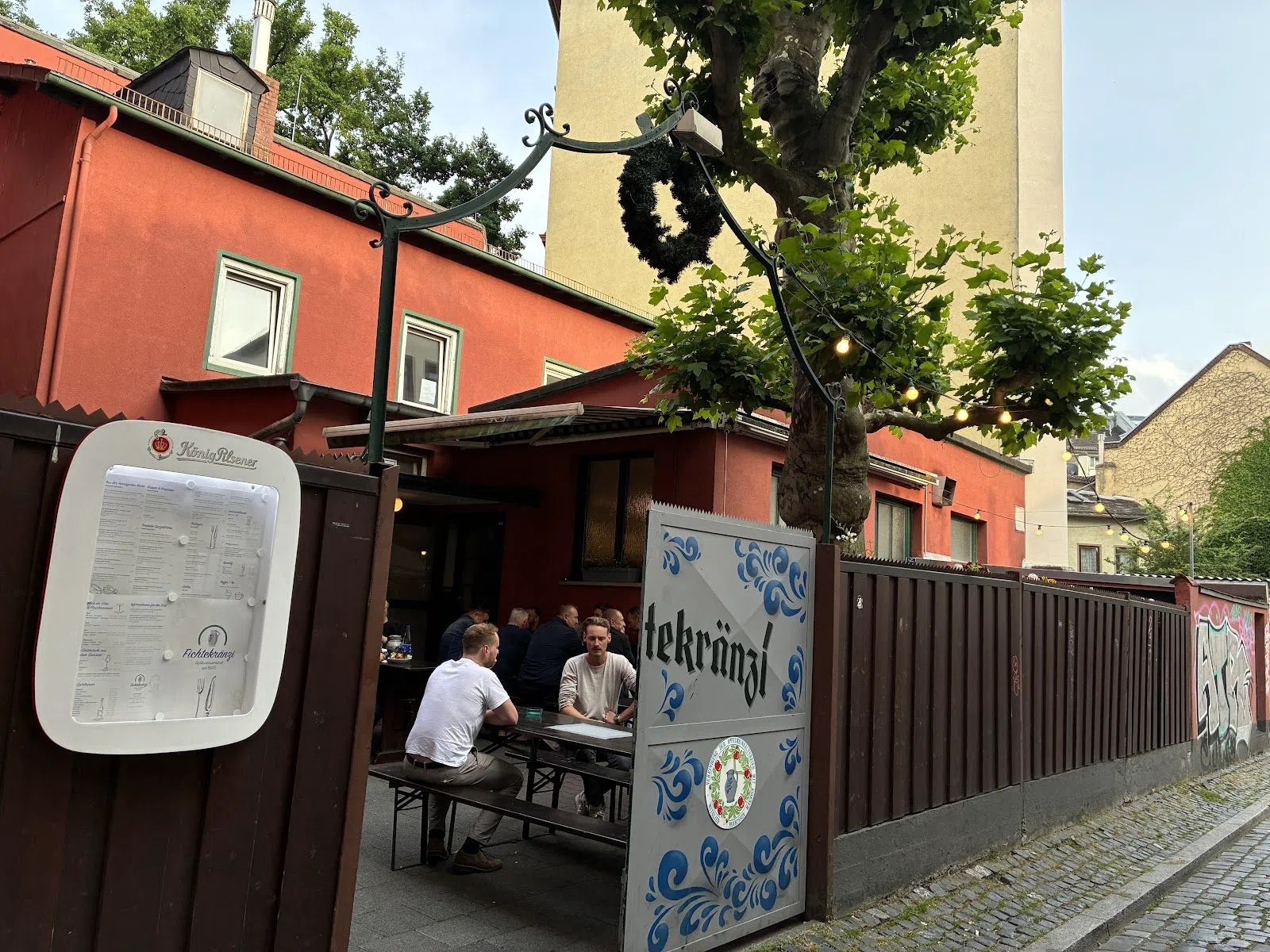
Apfelwein-Wirtschaft Fichtekränzi (Sachsenhausen) has been a firm local favourite since 1849, a textbook rustic Frankfurter tavern of long shared benches and low ceilings. Two warnings, both worth heeding: it fills fast in the evenings, so book if you're a group, and it is cash only — no cards, no exceptions. Glasses around €2.40, mains €10–16.
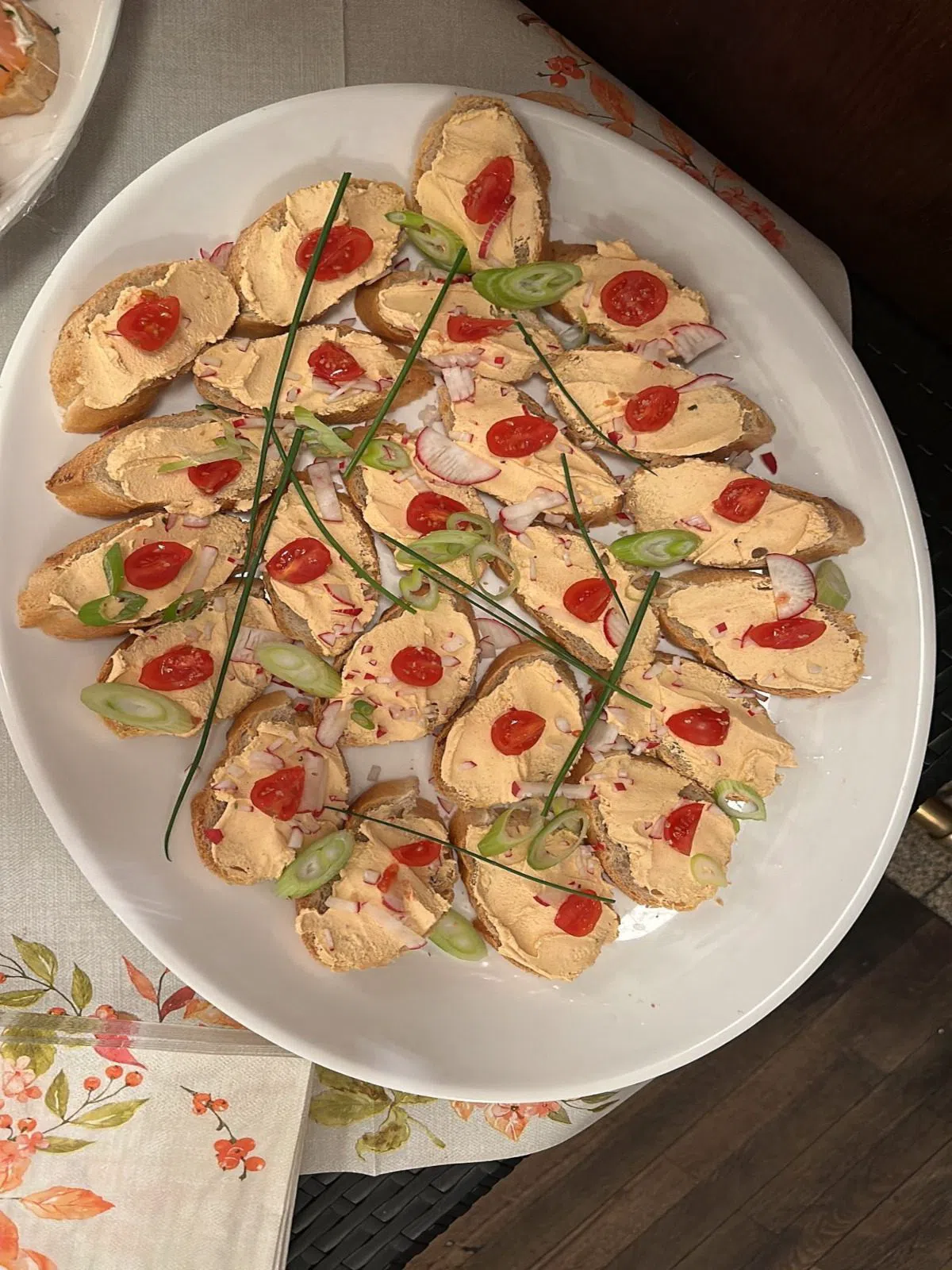
When the strip gets too much, Gaststätte Atschel (Sachsenhausen) is the relief valve. Serving hearty Hessian classics since 1849, its real asset is a shaded garden that makes it a genuinely pleasant daytime choice, a step off the rowdier Alt-Sachsenhausen lanes. It takes groups indoors and out; reserve on weekend evenings. Glasses about €2.40, hearty mains €11–17.
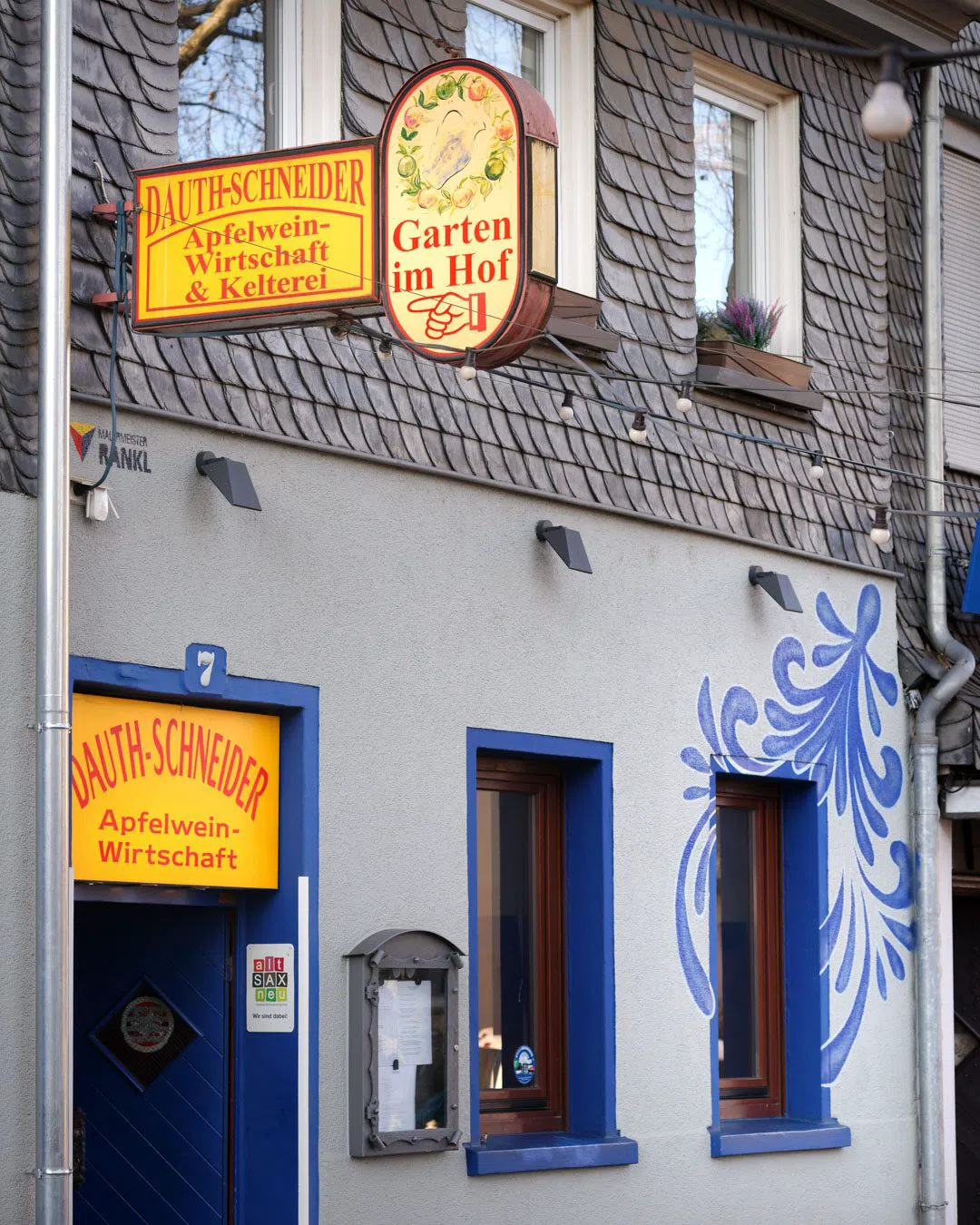
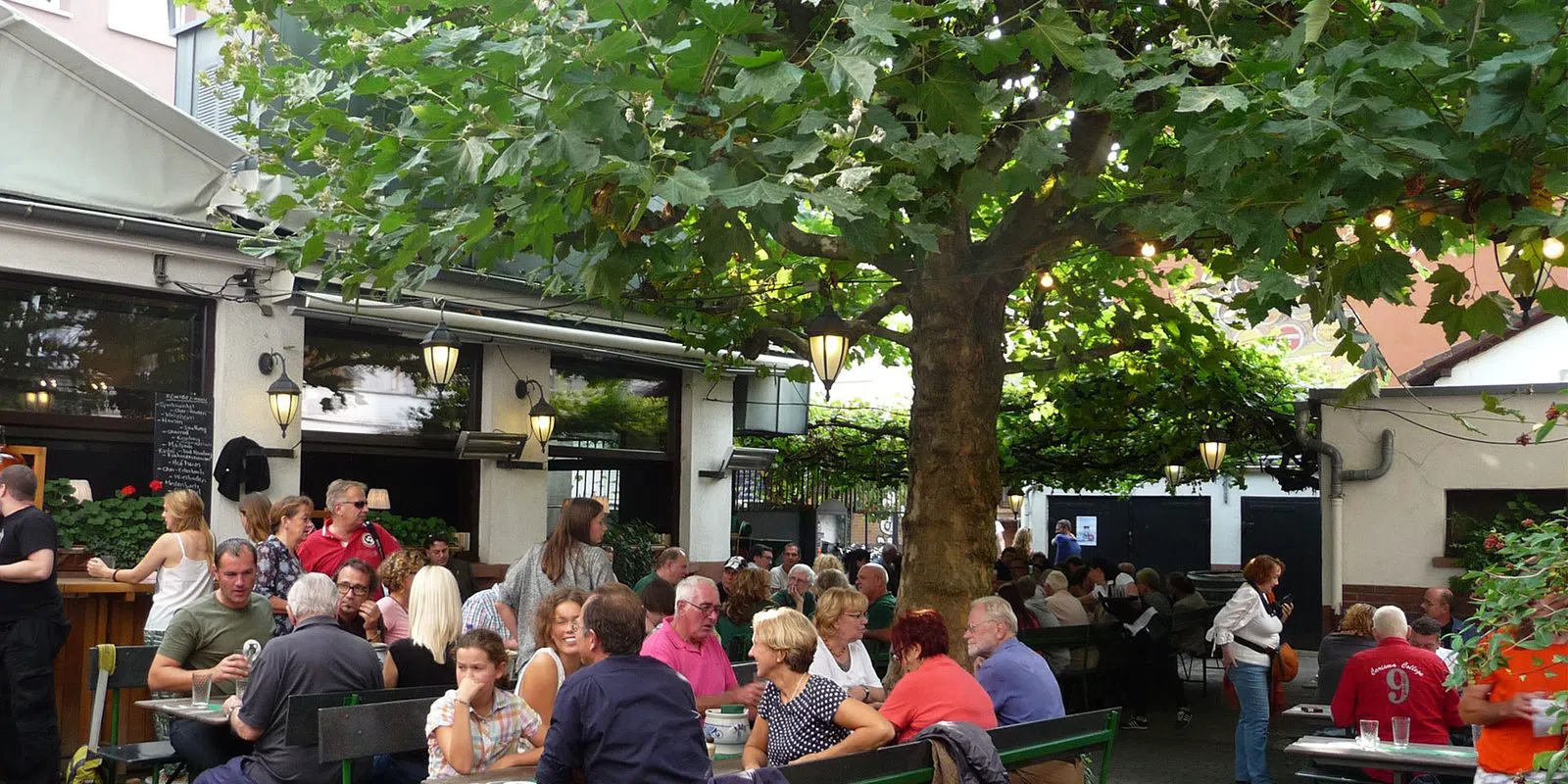
For a crowd on a good-weather day, the easiest yes is Apfelweinwirtschaft Dauth-Schneider (Sachsenhausen), which runs its own Kelterei — a working cidery — and one of the largest garden courtyards in the district. The sheer volume of indoor and outdoor seating soaks up big parties that would leave the smaller rooms turning people away. Glasses about €2.50, mains €11–18. If you're eight people and the sun is out, start here.
Alt-Sachsenhausen, minus the noise
The postcard-cobbled lanes of Alt-Sachsenhausen are the picture everyone comes for, and by night they can also be the problem: this is where the coach parties and stag nights land, and the atmosphere tips from convivial to shouty. If you want the tradition without the volume, walk a little further out.
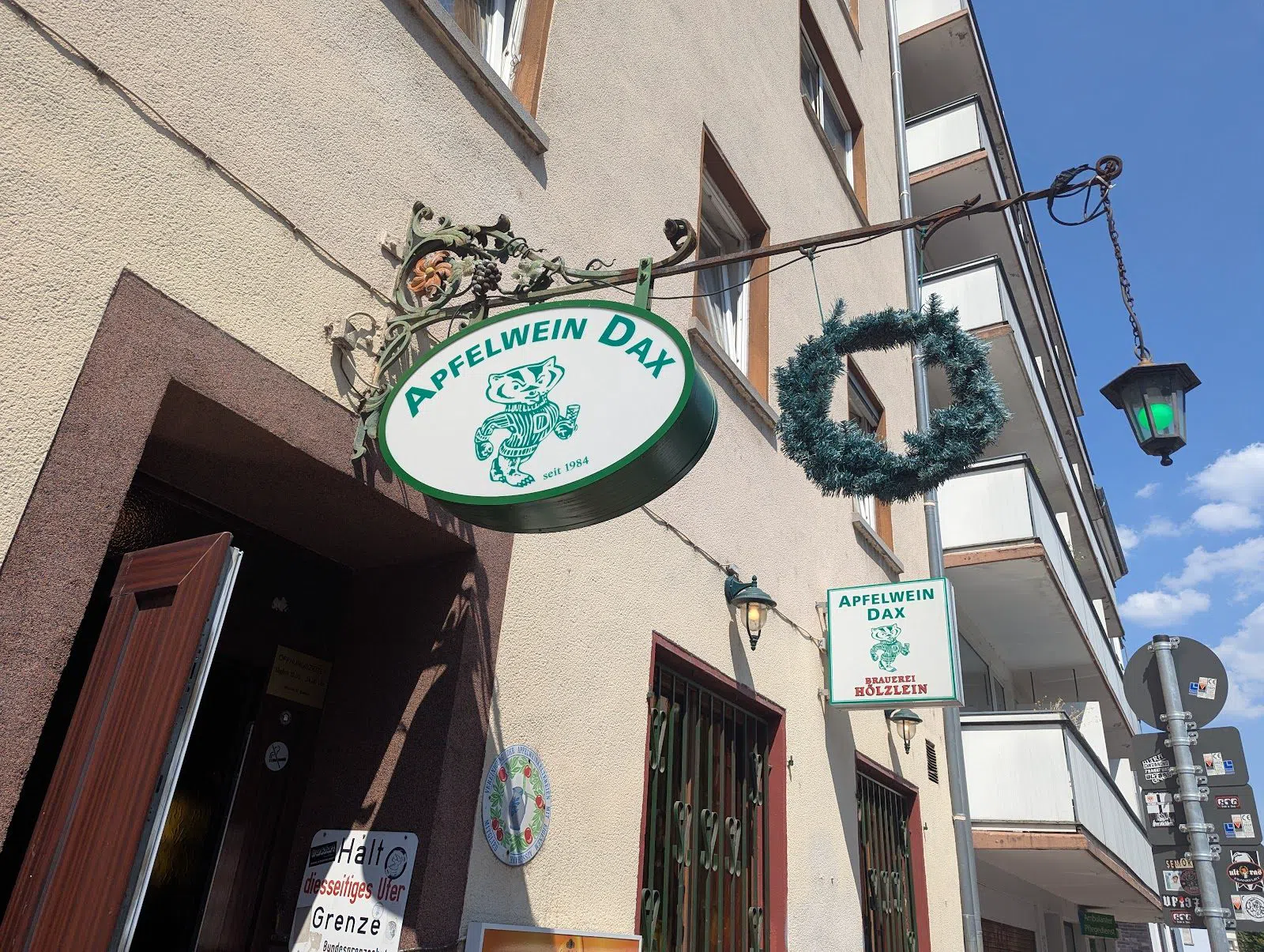
Apfelwein Dax (Sachsenhausen, just off the tourist trail) is the counter-programme: a low-key locals' favourite since 1984, quieter than the marquee names and, precisely because of that, the easiest place to seat a party without a wait. It also pours the cheapest Schoppen in this guide, at around €2.30, with mains €10–15. For readers who want the real neighbourhood room over the coach-party lane, this is the pick.
For first-timers and completists
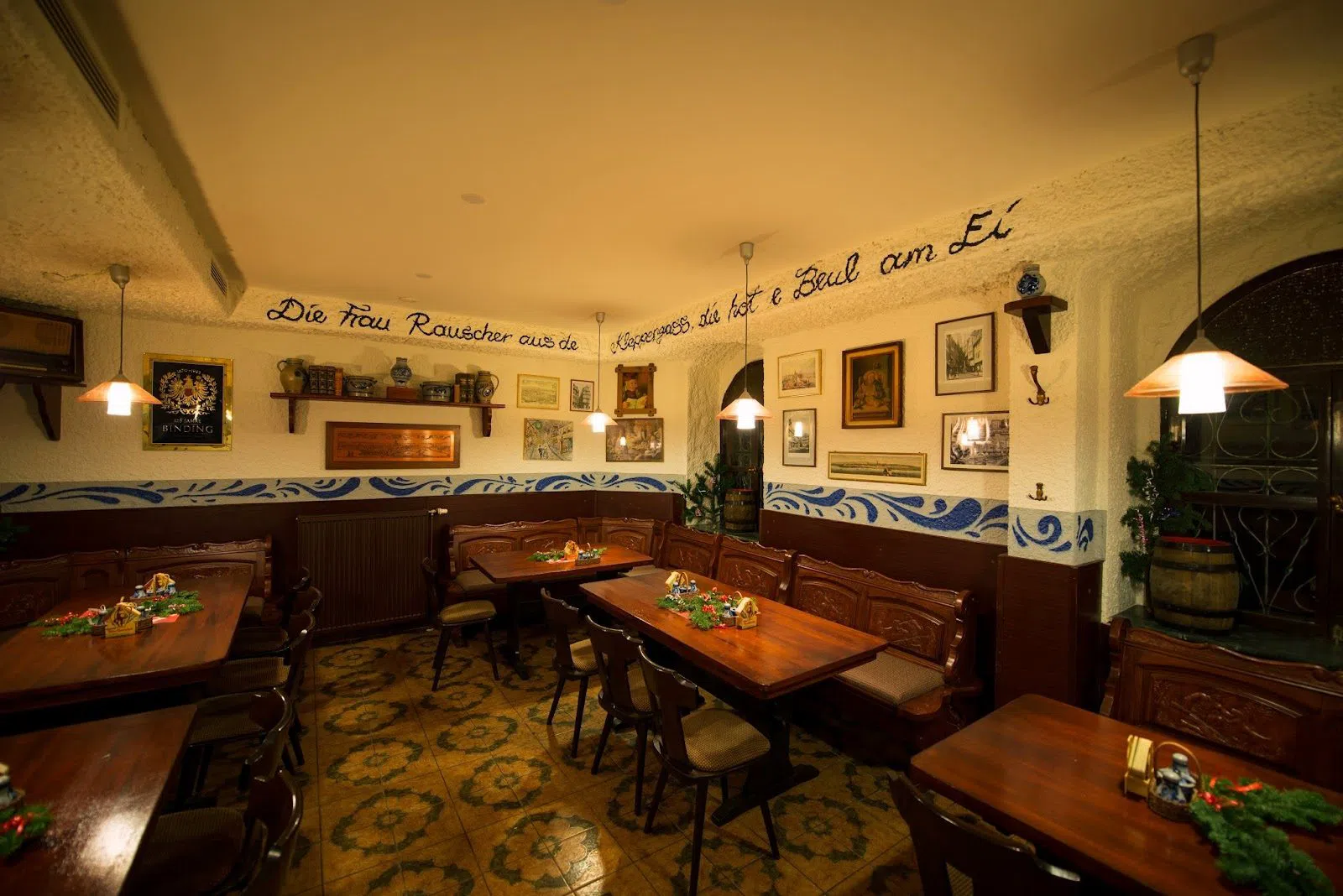
Some of these houses reward a specific kind of visitor. If it's your first Apfelwein and you'd like the drink explained rather than simply set in front of you, Apfelweinwirtschaft Frau Rauscher (Sachsenhausen) is the friendly on-ramp. Named after the cheeky spitting fountain right outside — Frau Rauscher is a local character rendered in bronze who squirts passers-by — it pours ten different cider varieties and runs bookable guided tastings, which make an accessible, genuinely fun introduction and a good structure for a group. Glasses about €2.50, mains €10–16.
At the other end of the seriousness scale, Daheim im Lorsbacher Thal (Sachsenhausen) is for going deep. It claims the largest apple-wine list on earth — roughly 250 labels, from its own house cider up to bottles as unlikely as an Estonian cider-sekt — inside a building that dates to 1803. This is where the drink stops being a cheap house pour and becomes something you compare and discuss; the house Schoppen stays cheap, but the rare bottles climb well beyond it, and mains run €14–22. It welcomes groups and the courtyard suits larger tables, but reserve — it is a destination, not a drop-in.
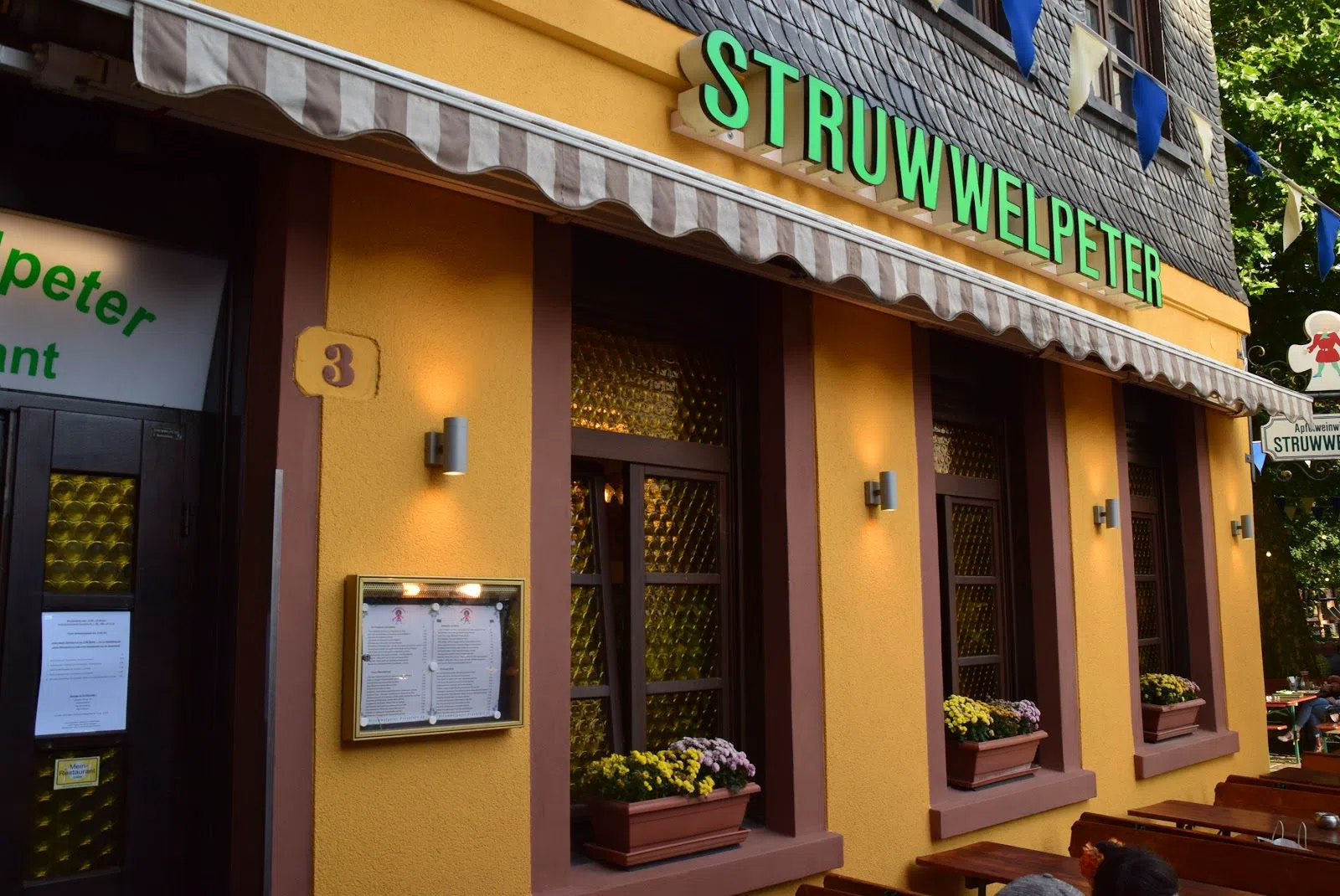
For something with a distinctly local hook, Apfelwein Struwwelpeter (Sachsenhausen) is themed around Frankfurt's own famous children's book — the tale of unkempt, cautionary Struwwelpeter was written here — which gives international visitors a quirky story to sit alongside the standard Hessian plates and cider. It's cosy and small, so book ahead; it takes groups, but the room fills quickly. Glasses about €2.40, mains €10–16.
Across the river: Bornheim and the old town
Cider culture is not a Sachsenhausen monopoly, whatever the tour groups imply, and two places make the point on the north bank.
Apfelwein Solzer (Bornheim) has been family-run since 1893 and sits in the buzzier, more residential Bornheim quarter, well clear of the tourist cluster. Its street terrace is good for larger tables, and it is exactly the kind of neighbourhood room that proves the tradition is city-wide rather than a staged attraction. Glasses about €2.40, mains €10–17. Come here to drink where locals actually live.
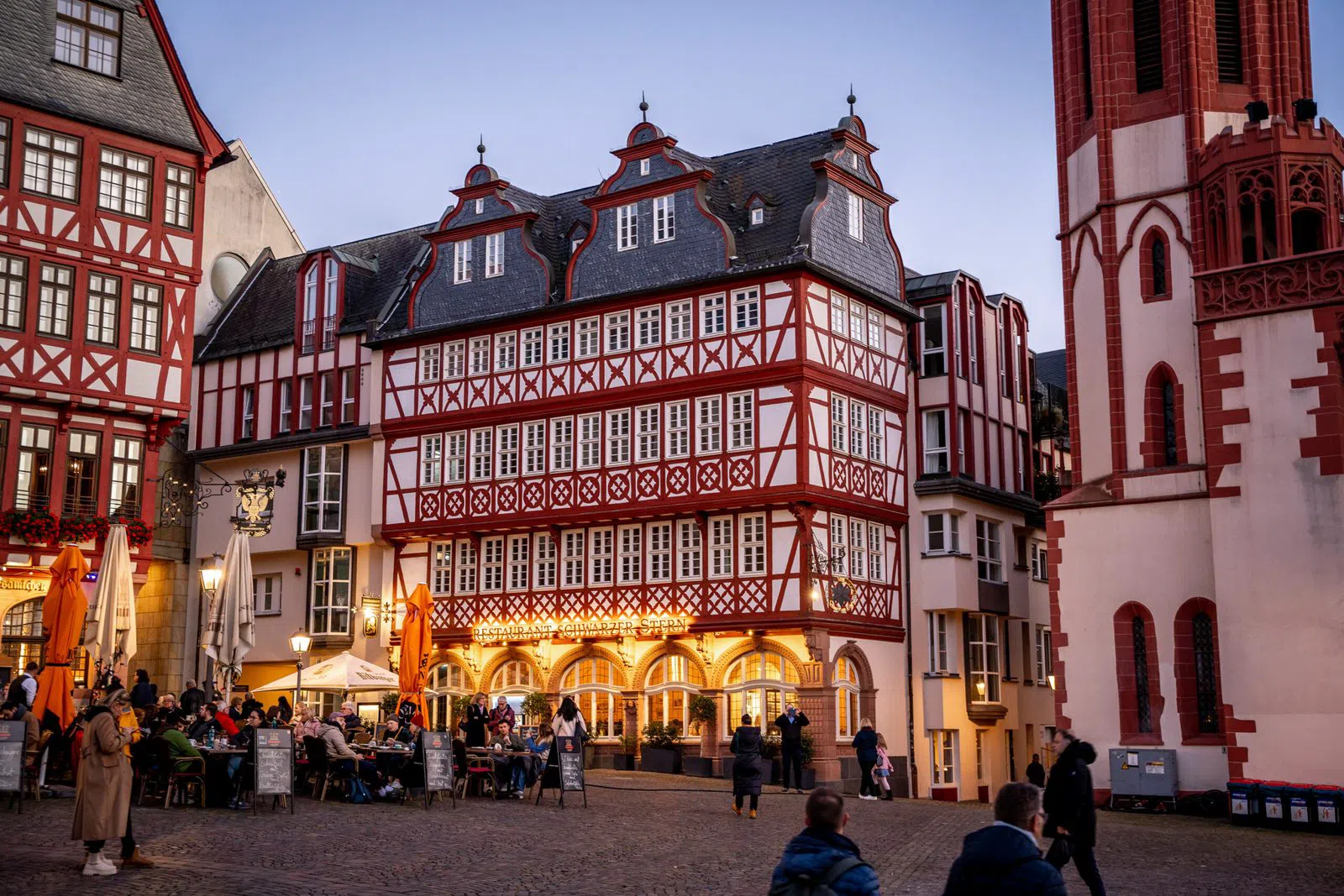
For a dressier evening, Zum Schwarzen Stern (Altstadt, on the Römerberg square) is the refined option: a sit-down, slightly upscale take on Hessian cooking and cider right on the old town's picture-book square. Expect a fuller wine list alongside cider by the glass, mains in the €16–26 range, and a room that suits a smarter group dinner or a couple wanting a view rather than a bench. Reserve — this is not the place you squeeze onto the end of a table.
The tram that pours
If you'd rather sample the idea than commit to an evening in one room, Ebbelwei-Express (the Apple Wine Express tram) has run its vintage sightseeing loop on weekends and holidays since 1977. It's a one-hour circuit of the city with a drink in hand: around €8 per person, which includes a bottle of cider (or apple juice for anyone off it) and a bag of pretzels. It's the most fun, lowest-commitment way for a group to taste the tradition and see the centre at once — book a block of seats if there are several of you. Treat it as its own outing, not a substitute for a tavern; it passes the cider houses rather than pouring their equal.

Which place for which table
If you want the definitive room, go to Wagner. If you want a photograph, Zum Gemalten Haus. For a big group on a warm day, Dauth-Schneider or Atschel's garden. For the neighbourhood over the noise, Dax or Solzer. For the drink taken seriously, Lorsbacher Thal. For a smarter, seated dinner, Zum Schwarzen Stern. For a first taste with a guide, Frau Rauscher — or the tram, if you'd rather keep moving. None of these are hard to book except by ignoring the fact that Friday and Saturday evenings fill early. If you're a party of more than four, call ahead everywhere except Wagner, and even there arrive before eight.
For where to base yourself, most visitors want to be either in the old town for the sights or a bridge away in Sachsenhausen for the taverns; both work, and the walk between them is short. See the Frankfurt guide for the wider picture of the city beyond the cider.
Practical notes
Getting there. Sachsenhausen is a fifteen-minute walk from the centre over the Eiserner Steg footbridge, or a couple of U-Bahn stops to Schweizer Platz or Südbahnhof. For Solzer, aim for the Bornheim Mitte / Merianplatz end of the U4. Everything in the Sachsenhausen cluster is walkable from everything else — plan on feet, not fares, once you're across the river.
Cash. Bring euros. Several of these taverns lean cash-only or prefer it, and Fichtekränzi takes nothing else. A working-order note in your pocket is worth more here than any card.
Timing. Most cider houses open from the late afternoon into the evening rather than for lunch; gardens (Atschel, Dauth-Schneider) are worth targeting on warm days, and weekend evenings need a booking almost everywhere. The Ebbelwei-Express runs weekends and holidays only, so check the day before you count on it.
Budget. A full evening — three or four Schoppen and a main — comes to roughly €25–35 per person, which is why the Bembel is the honest measure of the city. The tram is about €8. If you're planning a stay around it, start with a Frankfurt hotel search and pick your side of the river accordingly.
Before you go
What is Apfelwein and how is it served in Frankfurt?
Apfelwein is Frankfurt's dry apple cider, known locally as Ebbelwoi or Stöffche. It's served from a grey-and-blue stoneware jug called a Bembel and drunk from a diamond-ribbed glass called a Geripptes. A single glass, or Schoppen, is about 0.3 litres and costs roughly €2.30–2.50 across the city. Order it straight (pur), with sparkling water (sauer gespritzt), or with lemonade (süß).
Which Frankfurt cider tavern is best for a large group?
For big parties, Apfelweinwirtschaft Dauth-Schneider in Sachsenhausen is the easiest yes thanks to one of the district's largest garden courtyards and plenty of indoor seating. Gaststätte Atschel's shaded garden also works well by day. Apfelwein Wagner takes small groups with no booking on its communal benches, but reserve ahead anywhere for more than four on a weekend evening.
Are Frankfurt's Apfelwein taverns cash only?
Several lean cash-only or prefer cash, and Apfelwein-Wirtschaft Fichtekränzi takes nothing but cash — no cards at all. Bring euros to be safe across the Sachsenhausen taverns rather than relying on a card.
Where should I drink Apfelwein to avoid the tourist crowds?
The Alt-Sachsenhausen lanes get rowdy at night with coach and stag parties. For a quieter, more local room, try Apfelwein Dax in Sachsenhausen (a low-key favourite just off the tourist trail, and the cheapest Schoppen at about €2.30) or Apfelwein Solzer across the river in Bornheim, family-run since 1893.
What is the Ebbelwei-Express and is it worth doing?
The Ebbelwei-Express is a vintage sightseeing tram that has run a one-hour loop of central Frankfurt on weekends and holidays since 1977. It costs around €8 per person, including a bottle of cider (or apple juice) and pretzels. It's the most fun, low-commitment way for a group to sample the tradition while seeing the city — but treat it as its own outing rather than a replacement for an evening in a tavern.